EDCare Denver


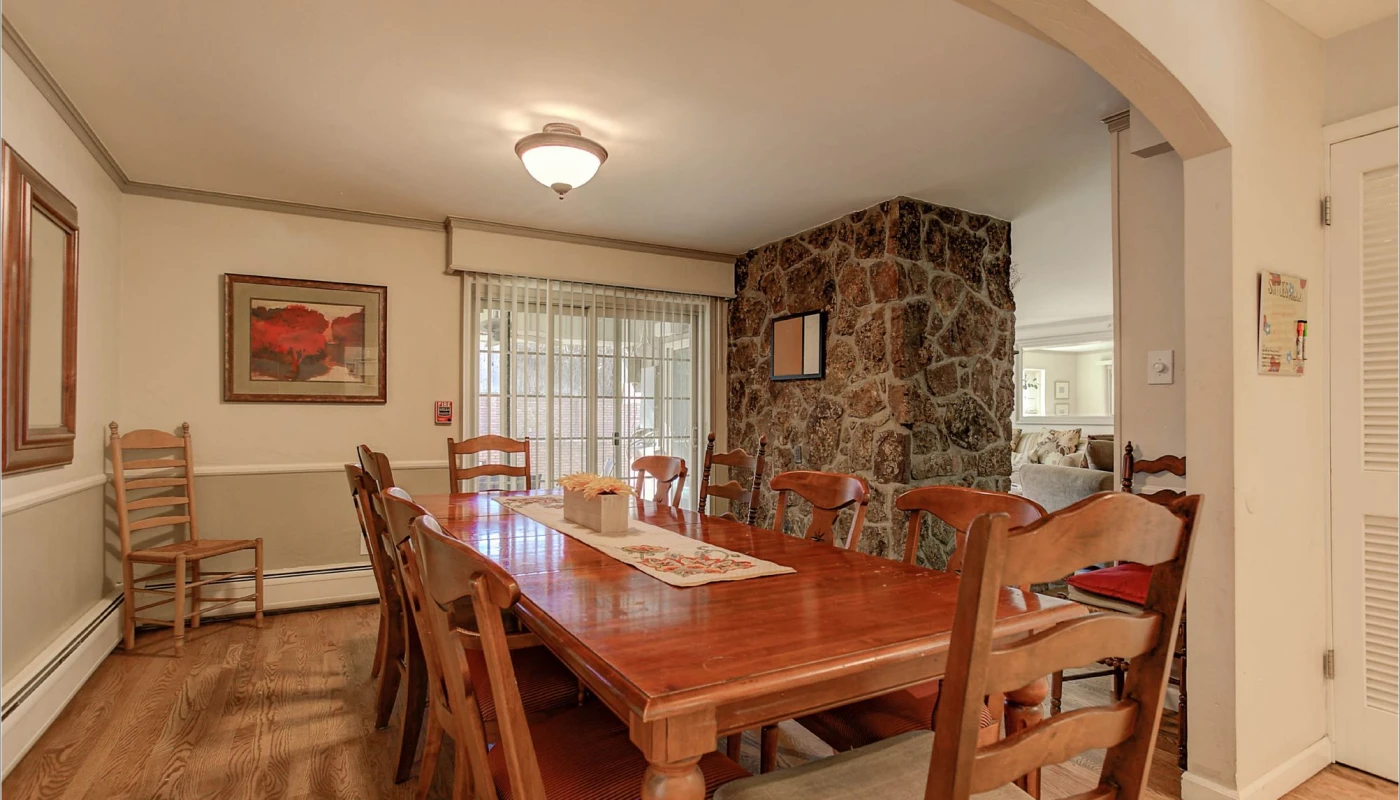
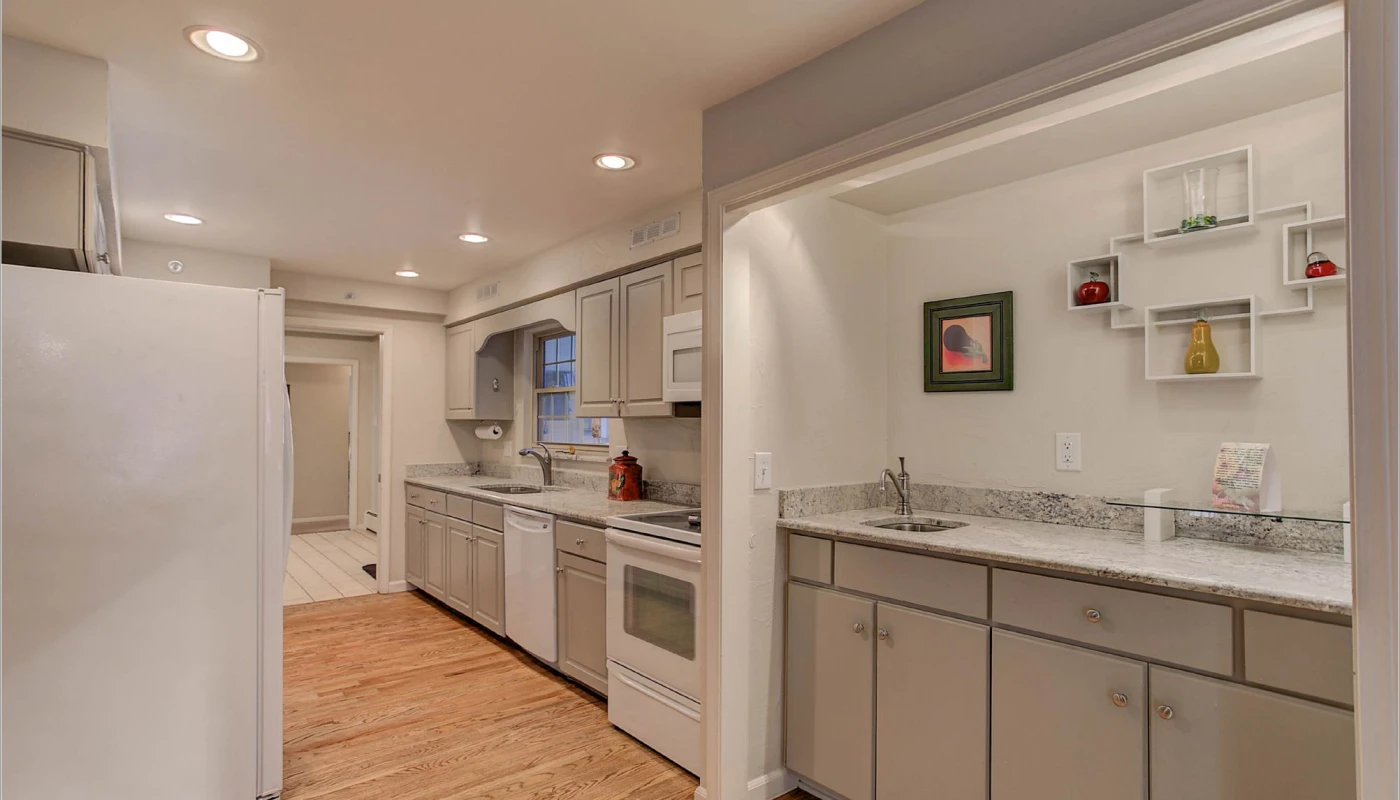
EDCare Denver 4 photos



EDCare Denver is a gender-inclusive eating-disorder treatment center for adolescents and adults in Denver, Colorado. It is not a general alcohol or drug rehabilitation program.
Denver serves adults aged 18+ through residential treatment, PHP, IOP and virtual IOP. Adolescents aged 13–17 can access separate PHP and IOP services. Adults in residential care attend treatment and meals at the East Mississippi Avenue center during the day and stay at an off-site supervised residence at night; PHP, IOP and virtual care can provide step-down support.
Denver has separate adult and adolescent services
The Denver location page describes eating-disorder care for adults aged 18 and older and separate programs for adolescents aged 13–17. The adult continuum includes residential, partial hospitalization and intensive outpatient care, with a virtual option. Younger patients attend age-specific daytime programs in a separate suite.
The receiving service matters as much as the address. Someone considering adult residential care needs different arrangements from a family attending an adolescent day program. Explain the person’s current medical and psychological needs, previous treatment and practical support at home when contacting admissions. Ask which level is recommended and which program will deliver it. EDCare’s eating-disorder focus should not be confused with general addiction rehabilitation or an assumption that every mental-health need can be managed there. The assessment should establish the appropriate setting, including whether medical stabilization or another service is needed before the proposed program begins.
Adult residential care combines daytime treatment and overnight support
The residential program describes treatment and meals at the Denver center during the day, followed by evenings at an off-site residence with medical support. Its adult program accepts all genders and describes a multidisciplinary team, including nursing, medical, psychiatric, therapy and dietetic roles.
The same page states that EDCare cannot accommodate people with feeding tubes or court-mandated treatment. Those are program boundaries, not an assessment of a particular person’s alternatives. Ask the admissions team to explain suitability, any medical clearance required and what happens if a different level of support is needed. The description of continuous supervision should also be clarified in terms of who is present at the residence and how clinical decisions are made. Before arrival, understand the daily transfer between settings and the role of each team member. Residential eligibility, available capacity and insurance authorization are separate matters that all require confirmation.
Connections House is distinct from peer-supported PHP housing
The Connections House page describes accommodation for up to 12 adult residential patients, with nursing support during evenings and overnight and communication with the clinical team and on-call doctors. Transportation between the house and the Denver treatment center is included without an additional charge.
The page separately identifies peer-supported housing for adults in PHP. These arrangements should not be combined into a single assumption about staffing, eligibility or cost. Ask which accommodation is proposed, whether there is a place available, what room-sharing arrangements apply and what support is present outside program hours. A photograph of a bedroom does not establish a private-room guarantee. Also confirm the financial terms for the actual housing offer, rather than extending a statement about included transport to every living expense. The proposed accommodation should fit the assessed level of care and the person’s practical needs.
PHP brings several disciplines into a structured treatment day
The PHP description includes individual therapy, psychiatric consultation, family work, supervised meals and nutrition counseling. Its published outline gives two individual-therapy meetings weekly, a weekly psychiatrist consultation and regular treatment-team review. Dietitians help develop meal plans, while group work can include practical activities such as cooking and supported meals outside the center.
Ask how the current Denver timetable applies to the proposed plan and which sessions involve family or support people. PHP provides substantial daytime structure, but participants leave the clinical program at the end of the day. Home or housing support therefore needs to be considered alongside attendance. The provider’s general PHP page covers more than one city, so confirm that the particular service and schedule are available in Denver. Its broad list of specialty topics also does not establish that a separately named track is currently enrolling or included for every patient.
Adult IOP is not necessarily a short evening appointment
The IOP page describes an average five-hour treatment day with a supported meal and snack, while patients take on more responsibility for meals outside the center. It explains that Denver can accept direct IOP admissions when appropriate, as well as people stepping down from more intensive care.
That schedule is different from assuming that every intensive outpatient program consists of a brief evening group. Ask for the actual days, hours and individual appointments before planning work, education or caregiving. The clinical team should explain why IOP is appropriate and how the person will manage the parts of the day without program support. Direct admission remains subject to assessment; it is not an entitlement based on preferring fewer treatment hours. Discuss the criteria for increasing or decreasing support and the plan for transferring to a continuing outpatient team when this phase ends.
Virtual IOP uses supervised online work and remote monitoring
The virtual IOP page describes a program for adults aged 18 and older in Colorado, Kansas and Nebraska. Its outline includes weekly individual therapy and nutrition counseling, group work, supported meals and snacks, and planning for evenings and weekends. It also describes an app for communicating meal and mood information and a numberless scale for remote monitoring.
Ask how these tools are provided, used and reviewed, and what equipment or private space is needed to participate. Remote monitoring should be understood as part of a clinical plan, not as unrestricted medical supervision at home. The person still needs an assessment of whether this level of care is appropriate. Confirm geographic eligibility directly, particularly when traveling or moving, because broader provider information may describe availability differently. The proposed schedule should also explain responsibilities outside sessions and how the team responds when additional assessment or more intensive support is needed.
Adolescent treatment includes family work and school coordination
The adolescent program describes PHP for ages 13–17 and transitional IOP after PHP. Its services include individual and group therapy, nutrition and meal support, psychiatric and medical oversight, and a school liaison. The family component uses emotion-focused work, caregiver discussions, multi-family sessions and supported meals with the teenager.
Ask how the young person’s school timetable, coursework and existing care will be coordinated. A school liaison does not by itself establish a complete replacement school program. Families should understand their expected participation, which meetings are remote or in person and how meals at home will be supported. The transitional IOP description should also be distinguished from a promise of direct admission to every adolescent level. If accommodation is needed, request the actual family-housing offer and its terms; general references to available or affordable housing do not settle an individual family’s eligibility, availability or cost.
Athlete EDGE addresses the demands of sport within treatment
The Athlete EDGE program is based in Denver and describes age-specific eating-disorder services for athletes and performers. It combines treatment with attention to sport culture, nutrition, body image, identity and returning to daily life. The page identifies adult and adolescent pathways and provides specific participation criteria that should be reviewed with admissions.
Training is reintroduced only when the treating team considers it medically and clinically appropriate. It is not a guaranteed daily exercise entitlement or a promise of returning to competition by a fixed date. Ask how the team communicates with existing clinicians, coaches and other support people, and how those roles are agreed with the patient. The plan should prioritize health while considering the person’s sport-related responsibilities. A specialized track does not mean that every applicant who exercises will meet its current criteria. Confirm the receiving program, accommodation arrangements and funding before assuming that all advertised athlete services apply.
CAMSA describes the provider’s treatment philosophy
EDCare’s CAMSA philosophy organizes its approach around connection, acceptance, mindfulness, sense of self and action. It links therapy with understanding personal values, relationships and the circumstances affecting the eating disorder. The action component emphasizes practicing skills beyond the treatment setting.
This framework can help a prospective patient understand the language used by the team, but it does not replace an explanation of the individual care plan. Ask how the approach relates to the recommended therapy, nutrition work and medical monitoring. The person should be able to discuss goals that matter to them and understand how changes are reviewed. A named philosophy is not an independent accreditation or evidence that one provider will produce a better outcome than another. Its practical value is in how the team applies it to the individual’s needs and prepares for life after intensive treatment.
A screening call and a clinical assessment serve different purposes
The assessment information distinguishes an introductory conversation of about 15 minutes from a fuller assessment lasting approximately an hour. The latter can be in person, online or by phone and considers medical history, previous treatment and the current situation. EDCare describes these assessments as free and confidential and does not require a provider referral.
The purpose is to recommend an appropriate treatment pathway, potentially including a service outside EDCare. It is not a guarantee of admission on a chosen date. Ask what information should be supplied beforehand and whether another clinician needs to provide medical records or clearance. The provider says availability and individual circumstances affect admission timing, while treatment length depends on needs and medical necessity. These are separate from the duration of the assessment itself. Before ending the conversation, clarify the recommendation, any remaining requirements and who will communicate the next step.
Families can participate without taking over the treatment plan
The family-support page describes sharing observations during assessment when appropriate, attending orientation or family meetings and working on communication and practical support. It includes individual family therapy and multi-family groups, with remote family sessions available when needed.
Ask the team how participation fits the patient’s preferences, age and circumstances. Support may involve helping with appointments or routines, while clinical decisions remain part of the agreed treatment plan. Family members can also ask for guidance on language, boundaries and consistent expectations at home. A group for caregivers is different from a private meeting about a particular person’s care, so clarify the purpose of each appointment and what information can be shared. The availability of family work should not be interpreted as unrestricted access to confidential records or a guarantee that every relative attends every session.
Insurance approval is reviewed during treatment
The insurance page describes obtaining an initial authorization and then conducting further reviews with the insurer as treatment continues. It also discusses payment arrangements and case-specific agreements when ordinary network coverage is unavailable. These processes do not establish that the insurer has approved an entire proposed course in advance.
EDCare lists TRICARE West for several levels of care, but its published description distinguishes residential benefits for eligible dependents up to age 20 from PHP and IOP benefits. Payer rules do not replace the program’s own clinical age and suitability requirements. Ask the insurer and EDCare to confirm the applicable benefit, authorization period and personal costs for the actual admission. Likewise, a state-funded plan appearing in a list does not establish coverage for every service or location. Request a written explanation of what happens financially if care is extended, changed or denied.
Preparing for care includes records and a program-specific packing list
The patient guide describes assessment of medical, psychological and practical needs, followed by orientation, meal planning and early meetings with the team. Its housing checklist identifies supplied bedding and laundry facilities and asks patients to bring current medication in labeled containers and suitable personal necessities.
Ask for the current instructions for the receiving program, especially before bringing electronics, food, tracking devices or other items subject to restrictions. The purpose is to understand the treatment environment, not to apply a generic packing list to every level of care. Prescriptions should be reviewed with the team; packing guidance is not an instruction to change medication independently. Also clarify access needs, transport and any responsibilities that will continue while attending treatment. These practical preparations support participation without implying that the same accommodation, equipment or schedule is included for every patient.
Continuing care should be planned before the intensive phase ends
The program FAQ describes weekly discussion of goals and progress with the treatment team, with changes made collaboratively. It also explains that patients may step down to another EDCare location when appropriate and that the team helps establish continued outpatient support after treatment.
Ask which professionals will be involved after discharge, whether appointments are already arranged and how relevant records and recommendations will be shared. A move between cities or programs requires confirmation of the receiving service, eligibility and funding rather than assuming the same arrangements follow automatically. Families or other support people may need clear guidance about their role during the transition. A completion ceremony marks the end of one stage; it is not a substitute for ongoing clinical appointments or evidence that future support will never be needed. The practical outcome should be a clear, individualized next-step plan.
Official EDCare information reviewed October 19, 2026. Confirm the receiving program, current age and geographic eligibility, medical suitability, housing arrangements, insurance authorization and personal costs. Adult residential, adolescent daytime and peer-supported housing services have different purposes and requirements.
The center is at 4100 East Mississippi Avenue, Suite 1300, Denver, CO 80246 and lists 303-771-0861. EDCare says assessments are free and confidential and that it is in network with most major insurers, including Health First Colorado Medicaid and TRICARE West. Admission timing, treatment length, benefits, patient cost and tax treatment depend on the individual plan and require confirmation. Sources: Denver location and levels of care, adult residential program, insurance information, assessment and duration guidance and program FAQ, checked 2026-10-13.