Guardian Recovery – Tampa Addiction Center


Guardian Recovery – Tampa Addiction Center 3 photos


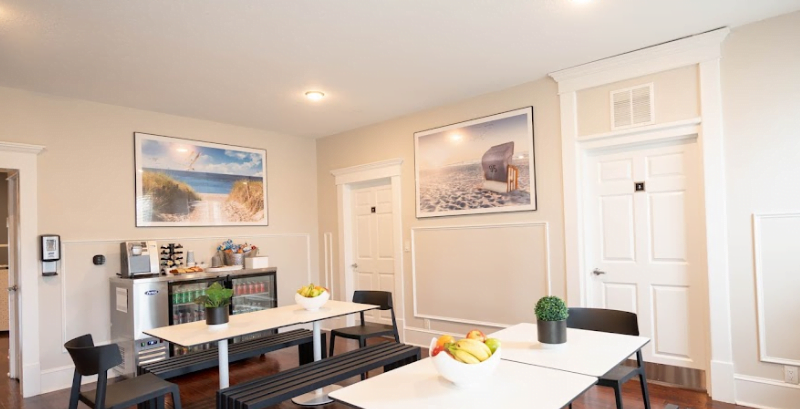
Guardian Recovery – Tampa Addiction Center, formerly CuraSouth, is a substance-use treatment facility in Largo, Florida. The campus provides medical detoxification and residential inpatient care for alcohol and other drug problems, including support for co-occurring mental-health conditions.
Campus services
Medical detox includes 24-hour support during withdrawal, followed when appropriate by structured residential treatment with clinical, psychiatric, medication-management, family and recovery-skills services. The provider’s wider Guardian Recovery network offers additional outpatient levels at other facilities; those network-wide services should not be assumed to occur at the Largo campus.
The Tampa name refers to a facility in Largo
The current provider overview identifies Guardian Recovery – Tampa Addiction Center as the former CuraSouth facility in Largo. Its local emphasis is medical detox and residential treatment for substance-use disorders, including co-occurring mental health needs. The homepage also links to virtual care and the wider Guardian network.
Ask for the receiving facility and level of care when discussing admission. A Tampa-area name does not mean the property is in downtown Tampa, and a network service list does not place every program inside the Largo building. The homepage’s insurance FAQ specifically excludes Medicaid and Medicare for this facility, despite its broader statement about accepting many insurers. Check the exact policy and proposed program before arranging travel. The useful comparison is the actual clinical offer, accommodation, and personal cost, rather than the network’s size or promotional claims about leading outcomes.
Detox begins with a medical assessment
The medical detox description sets out a physician evaluation, an individualized withdrawal plan, nursing monitoring, medication when appropriate, nutritional support, and early therapeutic support. It describes a usual three-to-seven-day period while explicitly allowing duration to vary with substance use, health, and response to care.
That range is a planning guide, not a guaranteed discharge date or a reason to change medication independently. Explain existing prescriptions, previous withdrawal experiences, medical conditions, and recent substance use during assessment. Ask what the team can manage at Largo and when a different medical setting would be needed. The page describes both private and semi-private rooms, so room occupancy should be confirmed for the accepted admission. Before the detox phase ends, identify the next service, its receiving location, and who will arrange the clinical handoff. Continued care needs an actual plan rather than an assumed automatic transfer.
Residential care is a separate structured stay
The residential program page describes approximately 28 days of live-in treatment with continuous support, daily groups, psychiatric care, case management, and individual therapy. Its published individual-session example is one to three sessions weekly, usually 45–60 minutes each. The illustrative daily schedule is expressly allowed to vary by facility and individual plan.
Confirm which parts apply to the proposed Largo stay, including the actual therapy frequency, medical review, recreation, and time for rest. Residential treatment involves a different daily commitment from virtual sessions or ordinary outpatient appointments. Discuss work, caregiving, and other responsibilities before arrival, rather than assuming they can continue unchanged. The estimated length should include review points and a discharge plan. A longer stay, additional medical appointments, or a move to another care level may require separate approval and charges. No fixed timetable establishes how quickly a particular person will recover.
Individual therapy is described as at least weekly
The individual therapy page specifically names Tampa Addiction Center and describes sessions for clients at least once a week. It presents the initial session as a private discussion with a therapist, usually around an hour, focused on personal history, difficulties, and treatment goals. Listed approaches include CBT, DBT, psychodynamic work, and interpersonal therapy.
Ask which approach the assigned therapist proposes and how it relates to the person’s priorities. A list of methods does not mean all will be used in the same stay. The page discusses starting therapeutic support during detox, but the actual timing should account for medical stability and ability to participate. Establish how individual sessions relate to groups and how progress is reviewed. Someone with a concern that is difficult to discuss in a group should know how to raise it privately. The proposed plan should make the clinician’s role and expected contact clear.
Co-occurring care includes psychiatric reassessment
The dual-diagnosis description combines addiction assessment, psychiatric services, behavioral therapy, case management, and transition planning. It describes psychiatric assessment after physical stabilization when symptoms persist, with the clinical team using the findings to adjust treatment. A case manager helps coordinate the plan and communication with the people involved.
Provide the history of mental health symptoms and previous treatment, including concerns that occurred before or during substance use. The page does not establish that every symptom has one cause or that every psychiatric presentation can be managed at this facility. Ask who will review an existing diagnosis, oversee prescriptions, and provide follow-up after discharge. Family updates should follow agreed consent and privacy arrangements. The provider describes helping clients move either within Guardian or to another suitable program. Confirm the receiving clinician and availability instead of assuming a network referral guarantees immediate acceptance or identical services elsewhere.
Clarify what medication support continues after detox
The medication-assisted treatment page primarily discusses medicines used during withdrawal. It names buprenorphine-containing products among the opioid-treatment options and describes medication selection according to substances used, duration, medical conditions, and mental health needs. Its examples should be understood as provider descriptions, not a prescription plan for the reader.
Ask the medical team to distinguish short-term withdrawal management from any medication proposed for continuing treatment. The page’s discussion of reducing medication during detox should not be treated as an instruction to stop a current prescription or as a universal rule for every patient. The individual plan should explain the purpose of each medicine, the responsible prescriber, monitoring, and what happens after leaving. If care transfers to another program, establish how prescriptions and clinical information will transfer too. Medication decisions require that professional review; they should not be inferred from a general description of the detox process.
Family work should have agreed goals and boundaries
The family therapy page describes therapist-led work on communication, problem solving, relationships, and recovery-related goals. It also lists education, family resources, and connections to ongoing support. These are several forms of involvement, which may differ in purpose and in who participates.
Discuss which relatives or other supporters the client wants involved, what information may be shared, and whether a joint session is appropriate. Education for relatives, a clinical family session, and a relative’s own treatment are separate arrangements. The provider’s broad emphasis on family participation should not become a requirement that every relative attend or a promise to repair a relationship. Raise any concern about safety or coercion privately with the treating professional. Confirm whether meetings take place in person or remotely, who leads them, and whether they are included. The goal is a workable support plan that respects the person’s circumstances.
Virtual IOP is a distinct network option
The virtual IOP page describes live video treatment for substance use, mental health, or co-occurring concerns. Its published structure is three hours a day on three to five days weekly, with small groups, weekly individual therapy, psychiatric services, and care coordination. This describes an online pathway rather than another residential bed at Largo.
Confirm the actual track, attendance times, clinician, and where the client may be located during sessions. Broad wording about access from anywhere should not replace confirmation of geographic eligibility or prescribing arrangements. A private space, reliable connection, and a suitable plan outside sessions matter to participation. Ask how clinical questions between visits are handled and what would prompt reassessment for in-person or more intensive support. Published claims of equivalent outcomes do not establish suitability for every person. The accepted virtual schedule and financial terms should be clear before using it as a planned next step.
Admissions separate screening from confirmed arrival
The admissions process begins with a treatment-advisor discussion, pre-screening, clinical review, and an insurance or self-pay plan. It asks about substance use, family and medical background, mental health, existing medicines, prior treatment, and goals. A medical evaluation follows arrival after admission has been arranged.
Obtain confirmation of the receiving campus, arrival time, room arrangement, and financial responsibilities. This page says optional private bedrooms are subject to availability, so its earlier private-suite wording is not a guarantee of exclusive occupancy. Device access during detox is described as restricted, with individual exceptions to discuss. Its transportation FAQ also contains a Princeton-specific example; do not assume that benefit applies to Largo. Ask about the actual pickup arrangement and charges. Self-pay or financing options need written terms, including any conditions, rather than relying on a general statement about flexible or interest-free payment.
Use the facility tour to plan practical needs
The facility page offers a three-dimensional walkthrough and photo gallery of living and treatment spaces. These can help someone understand the environment before arrival and prepare questions about privacy, accessibility, and the daily routine. They do not establish which room is currently available.
Ask whether the room shown is the type included in the proposed admission, whether a bathroom is shared, and how access to common areas works during different treatment phases. Discuss mobility needs, medical equipment, dietary requirements, and any assistance required for everyday activities. If a particular feature is essential, request confirmation of its availability rather than relying only on a photograph. The tour also cannot show current staffing, occupancy, or the treatment timetable. Consider the setting alongside the clinical plan, with enough practical detail to judge whether the person can use the space comfortably during the accepted program.
The team directory includes network leadership
The team directory includes Guardian’s executive and organizational leadership, including its chief medical officer, admissions leadership, and national adolescent-care leadership. These are network roles. Their appearance on Tampa Addiction Center’s website does not establish that each person treats clients in Largo or that the campus offers every age-specific Guardian program.
Ask for the actual treating professionals and the responsibilities assigned during the proposed stay. The physician reviewing medical needs, primary therapist, case manager, and admissions adviser perform different functions. Confirm who provides clinical coverage outside scheduled appointments and how the client can raise a concern about treatment. If specialist expertise is important, check its availability for this particular admission. A biography or network title can guide those questions, but it does not establish personal access to that clinician or independently verify every credential. The care plan should identify the people responsible locally.
Alumni activities complement an individual follow-up plan
The alumni program is open across Guardian facilities and describes monthly or biweekly meetings, social events, quarterly workshops, online connection, and volunteer or mentorship opportunities. Participation is presented as optional, with current details available from the alumni team.
Before leaving treatment, distinguish these community activities from scheduled clinical services. Ask which therapist or prescriber will provide follow-up, how the next appointment is arranged, and whether care continues locally, virtually, or through another provider. A lifelong alumni relationship does not establish unlimited free therapy, immediate crisis response, or a guaranteed treatment place. If the client lives away from Largo, obtain the available remote activities and local referrals rather than assuming attendance will be practical. The most useful transition plan names the next services, contacts, timing, and costs, with peer connection added where it fits the person’s preferences and recovery goals.
Provider information reviewed October 19, 2026. Confirm the Largo receiving program, current room and staff availability, virtual eligibility, medication continuity, and individual insurance or self-pay terms directly.
Contact, duration and payment
The facility is at 405 7th Ave SW, Largo, FL 33770. It lists office telephone 727-677-5922 and a 24-hour helpline at 888-693-1585. Program length is individualized; the residential program is described as approximately 28 days, while detox timing varies by substance and clinical need. The provider works with most major insurers and also describes self-pay and payment-plan options, with exact coverage and costs confirmed during admissions.
Official sources: Guardian Recovery – Tampa Addiction Center, residential treatment, medical detox and admissions and insurance. Official sources checked October 13, 2026.