Clementine Eating Disorder Programs

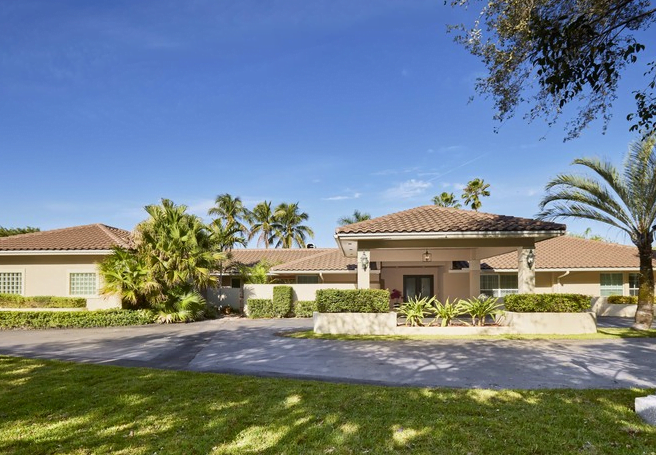




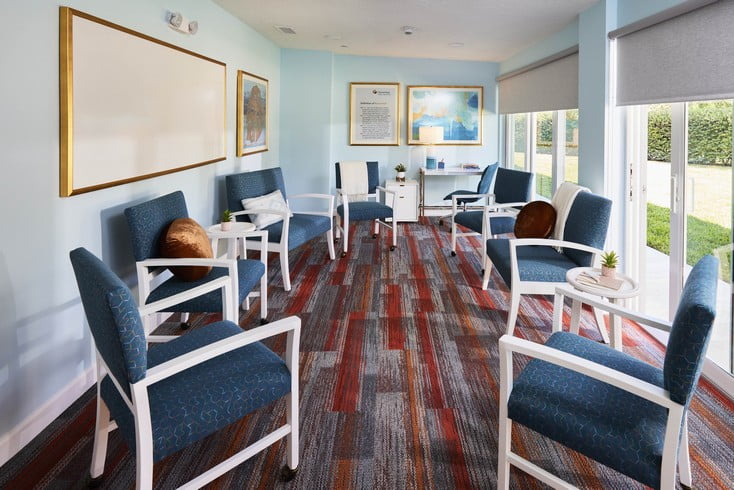





Clementine Eating Disorder Programs 12 photos
Clementine is Monte Nido’s adolescent eating-disorder program brand. Its current program page connects families with residential, inpatient, day, and virtual options across the wider network; it is not one clinic campus. Current official information describes home-like residential care with medical, psychiatric, nutritional, therapeutic, academic and family support. Each prospective client’s medical and mental-health information is reviewed before admission to determine whether residential care is appropriate.
Campus details must be checked individually. Age ranges and gender populations differ by location; for example, Clementine Atlanta serves adolescents ages 11–17 of all genders, while other programs may use different eligibility criteria. Families should confirm the exact campus, licensed level of care and admission criteria rather than applying one location’s details to the whole network.
Length of stay is individualized. Clementine’s educational material says families may plan for approximately 30–90 days in residential care, but this is not a guaranteed program duration. The provider says it is in network with many insurers, including major national and regional plans; benefits and authorization remain plan-specific. No single self-pay price is published for the network.
Start with the program, then identify its actual campus
The current Monte Nido Clementine page presents adolescent residential, inpatient, day, and virtual options. This is a route into a wider treatment network, not evidence that each Clementine residence offers every level. A family contacting the brand should receive the specific program name and address before making travel or schooling plans.
That distinction also affects what support is present overnight, how medical needs are handled, and whether the young person continues living at home. A recommendation for hospital-level care may involve another Monte Nido brand rather than a Clementine house. Ask the admissions team to explain the recommended setting in ordinary terms and identify who will make the final clinical decision. The network’s broad description is useful for finding a possible pathway; the receiving program’s criteria determine whether it is suitable.
Clementine’s current adolescent care options.
Residential care combines treatment with everyday support
Monte Nido’s adolescent residential program describes continuous nursing support alongside medical, psychiatric, nutritional, therapeutic, and family involvement. The intended setting supports young people who need a structured residential environment while remaining appropriate for that level of medical care. It is different from a hospital admission for someone who requires more intensive stabilization.
The residential page gives approximately six weeks as a typical stay while emphasizing individual needs. Other educational material uses a broader planning range, so neither figure should be treated as a guaranteed duration or coverage period. Location criteria also differ: some residences serve female-identifying adolescents, while others serve all genders. A useful comparison includes the actual campus population, how the daily program is organized, and how progress changes the next step. Families should understand how medical review, supported meals, therapy, and academic work fit together rather than judging the program primarily by its residential setting.
Adolescent residential structure and eligibility.
Inpatient treatment belongs to a different clinical setting
The network’s adolescent inpatient page addresses young people with medical or psychiatric needs that exceed what a residential program can safely support. It names Rosewood Ranch and Walden’s Dedham service among the receiving programs. These are specific network facilities; their hospital-level resources should not be attributed automatically to a Clementine residence.
The page describes continuous medical and psychiatric oversight, nutritional rehabilitation, and additional medical interventions when clinically necessary. A clinician determines whether those interventions are appropriate. For families, the practical questions concern the recommended hospital, the information required for admission, and how the team will decide when a less intensive setting becomes suitable. A child should not be moved between programs solely because an expected stay has ended. The handoff needs a receiving service, a clinical plan, and clear communication about ongoing needs. Age criteria also require confirmation for the named inpatient facility.
Adolescent inpatient services across the network.
Day treatment requires support outside program hours
Adolescent day programs provide structured treatment while the young person lives outside the facility. Monte Nido describes PHP schedules generally involving five or six days weekly for six or more hours daily, and IOP schedules of three to five days for three or four hours. Specific timetables and admission criteria vary by program.
These tracks can support a transition from more intensive treatment or be the assessed starting point for someone who does not need residential care. Medical stability and the ability to manage needs between sessions matter alongside convenience. The program includes family involvement and describes family-based treatment-informed work, rather than promising that every location delivers an identical therapy course. Before choosing a day program, map out transport, school commitments, supported meals outside sessions, and access to the continuing medical team. Ask how a change in symptoms would affect the schedule or level of care.
Adolescent PHP and IOP planning.
Virtual adolescent tracks have specific age and clinical criteria
The adolescent virtual page describes distinct options rather than one interchangeable online group. Its ARFID-focused pathway is presented for ages 10–18 and uses an approach informed by cognitive behavioral therapy for ARFID. A family-focused pathway also describes ages 10–18 and family-based treatment-informed work. The assessment determines which program, if any, fits the young person’s needs.
Remote participation still involves scheduled clinical work and family coordination. It is not a way to provide hospital-level stabilization at home. Discuss medical monitoring, the adults involved between appointments, the physical location from which the child will attend, and access to local care if needs change. A private space and reliable connection help participation, but they do not establish clinical suitability. If school hours or a caregiver’s work schedule conflict with sessions, address that before enrollment so the proposed support can actually be delivered.
Age-specific adolescent virtual programs.
Check which wider-network virtual service is being offered
Monte Nido’s general virtual-treatment page includes programs for different ages and clinical concerns. Some services are intended for adults, while others have adolescent pathways. A name appearing in the network’s virtual menu therefore does not establish that the same group accepts a younger patient.
The page discusses remote PHP and IOP, monitoring arrangements, and specialized options. Families should identify the exact track, age range, available state coverage, and session frequency. A previous program name may also differ from the current name, making the actual clinical offer more useful than a familiar label. Confirm who provides medical follow-up locally and how the virtual team communicates with that professional. If a young person travels or changes residence, check whether the existing arrangement can continue from the new location. Virtual access should be understood as a defined service with eligibility and attendance requirements.
Network virtual options and program distinctions.
Atlanta illustrates why campus details matter
Clementine Atlanta lists its location as 124 Johnson Ferry Road in Sandy Springs, Georgia. It describes residential treatment for adolescents ages 11–17 of all genders who are medically appropriate for that setting. The campus information includes continuous nursing, medical appointments, supported meals, nutrition work, and family involvement.
The residential FAQ describes school support five days weekly through LearnWell. It limits computer use to approved academic time and describes restrictions on phones, with exceptions requiring approval. Families can use these details to discuss how assignments, communication, and contact with teachers will be organized. Meal and dietary needs should also be reviewed with the receiving team before admission. The location page contains broader network FAQs, including references to other levels of care; those should not be read as proof that Atlanta provides every network service. Confirm the campus-specific plan, rather than transferring details from a general FAQ to this address.
Atlanta eligibility, academics, and practical arrangements.
Admissions combines a clinical evaluation with medical information
The network describes an introductory phone conversation of approximately 10–15 minutes, followed by a clinical assessment usually lasting 45–60 minutes over Zoom. The team reviews the eating-disorder history, current concerns, and relevant medical information before recommending a level of care. Contact with outside clinicians or family members is arranged with permission.
Residential and inpatient applicants are asked for bloodwork, vital signs, and a medical evaluation. Admissions recommends completing requested medical requirements shortly before the assessment, commonly 24–48 hours in advance, and can coordinate orders with the chosen provider. Follow the individual’s actual instructions rather than arranging an arbitrary set of tests. Laboratory costs are separate from the Monte Nido evaluation and may depend on where the tests are performed. Before finalizing travel, distinguish completion of the assessment, clinical acceptance, insurance authorization, and the confirmed arrival date. They are related steps, but one does not automatically complete the others.
Assessment stages and medical requirements.
Insurance arrangements differ across programs
Monte Nido’s financial guidance explains that coverage depends on the insurer, plan, location, and treatment level. Its network agreements should not be interpreted as identical contracts for every residence, day program, or virtual service. Benefits verification also differs from authorization for a particular course of treatment.
Provide the actual policy details and request an estimate for the named receiving program. Clarify the deductible, coinsurance, any separate charges, and the process if the recommended level changes. The provider discusses possible agreements when a program is not in network, but such an arrangement is not guaranteed for every applicant. A family comparing options should separate the clinical recommendation from the payment decision and ask who will explain an authorization limit or appeal process. Keep written records of the proposed service, financial assumptions, and any outstanding approvals so later changes can be reviewed accurately.
Program-specific financial considerations.
Family participation begins with a defined support role
The loved-ones guide says the team typically arranges an initial support meeting within the first 48 hours of treatment. For adolescents, parents or other important people may participate in education, therapy, and planning according to the individual treatment plan. The purpose is to help the support network understand its role, not to assign responsibility for the disorder.
Useful topics include communication, the support needed around daily routines, and how the family will participate after discharge. The team describes arranging continuing providers before treatment ends. Families can clarify which tasks they will take on, which remain clinical responsibilities, and how to seek help when a situation exceeds what they can manage. Loved ones may also need support for their own well-being. A realistic plan recognizes school, work, travel, and family circumstances rather than assuming every household can provide the same pattern of participation.
Family involvement and discharge preparation.
Therapy methods should connect to individual goals
Monte Nido’s therapeutic-approaches overview describes an integrated program drawing on methods such as eating-disorder-focused cognitive behavioral work, DBT, acceptance and commitment therapy, motivational interviewing, and trauma-focused approaches where appropriate. These are descriptions of the network’s clinical methods, not a promise that each patient receives every named therapy.
The assessment and ongoing clinical review should explain why a particular approach is being used and how it connects to nutritional, medical, and everyday goals. Families can ask how skills practiced in sessions will be supported during meals, at school, and after a transition home. Trauma-related work, when relevant, needs its own clinical judgment and pacing rather than being presumed from a diagnosis or a program menu. The useful comparison is how the team combines and adapts care for the individual, while involving the appropriate support people and preparing for continued treatment.
How the network describes its therapy methods.
Alumni resources have their own participation rules
The alumni program describes continuing connection, support groups, and help locating outpatient resources after treatment. Some offerings have specific age or registration rules. In particular, the private Facebook community is described for people age 18 and older, so families should not assume an adolescent graduate can join every alumni space.
The page also describes registration limits for free support groups and asks participants for information such as their location and an emergency contact. Confirm the current group, format, eligibility, and expectations before attending. These resources can complement the discharge plan, but membership does not replace the medical, nutritional, or therapeutic follow-up arranged for the young person. If the family needs a different outpatient provider, ask how the alumni team can assist with finding options while maintaining the existing clinical plan until a new arrangement is confirmed.
Alumni eligibility and continuing support.
Explore eating-disorder treatment considerations and compare providers in the United States.
Official program sources reviewed October 19, 2026. Confirm the actual receiving program, age criteria, clinical suitability, availability, and personal costs with admissions.
Sources
- Clementine — official program and location information
- Clementine — residential level of care and typical planning range
- Clementine — family program
Official provider evidence checked October 11, 2026.