Centerstone Bradenton Florida
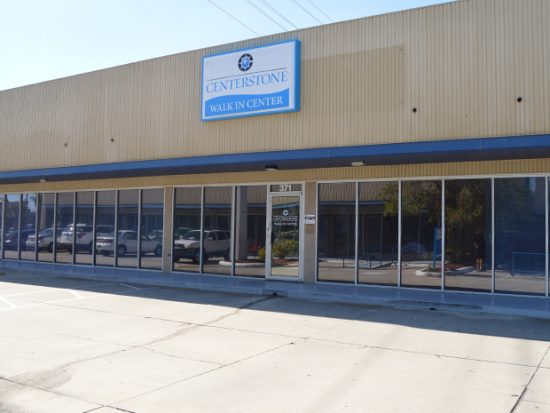
Centerstone Bradenton Hospital and Addiction Center is located at 2020 26th Avenue East, Bradenton, Florida 34208. This profile concerns that campus rather than the whole Centerstone network.
The provider distinguishes adult psychiatric hospital care, addiction detoxification and residential rehabilitation, outpatient support and crisis assessment. It describes detox services for adults and teens and separate child/adolescent crisis services. Age eligibility and treatment availability therefore depend on the specific program, not a single network-wide admission rule.
Care can involve medical monitoring, psychiatric treatment, individual, group and family work and discharge planning. The campus finance team helps review insurance and payment options. Request a written estimate for the recommended service, expected length of care, and any insurance-related personal charges. The campus’s published main number is 941-782-4600.
One campus with several assessment pathways
The Florida hospital and addiction-center overview distinguishes the adult psychiatric hospital, addiction services, an Access Center, and crisis services. The Access Center is described as operating around the clock for screening, assessment, crisis intervention, and referral, including both voluntary and involuntary presentations. It should not be confused with a routine reservation for a residential rehab bed.
The same overview identifies a children’s crisis service with treatment, schooling, and recreation, separately from adult hospital care. Families therefore need to explain the person’s age, immediate concerns, and current care arrangements so that the appropriate service can assess them. A campus offering several pathways does not mean that every unit accepts every age group or treats the same level of need. Before a planned arrival, confirm the destination within the campus, the purpose of the visit, and whether it is an assessment, an outpatient appointment, or an accepted admission.
Adult psychiatric hospitalization
Centerstone’s inpatient services page describes short-term psychiatric treatment, assessment, medication management, individual and family therapy, and group work. It identifies the behavioral health hospital’s psychiatric services as adult care, while describing detox services for adults and teens separately.
This distinction matters when a person has both substance-use and mental-health needs. An assessment may identify an immediate psychiatric need that requires a different pathway from a planned addiction-rehabilitation stay. Discuss recent symptoms, previous admissions, current medicines, and any existing clinicians with the assessing team. Request clarity about the main purpose of the admission and the conditions for moving to the next level of care. The network’s broader statement that it serves patients of all ages does not establish an all-age admission policy for this specific adult hospital service, and a short-term hospital stay should not be marketed as an open-ended residential retreat.
Withdrawal management and clinical monitoring
The withdrawal-management page describes different levels of detox across Centerstone, including medically supervised and social detox. It identifies medical examination, laboratory work, and supervision by clinical staff within the medical pathway. The page also makes clear that medication availability differs by state or clinic.
For Bradenton, ask which withdrawal-management service is being proposed, how the person’s medical history affects placement, and what happens after initial stabilization. A general network explanation of social detox should not be substituted for the campus’s medical assessment or taken to mean that a person can safely manage withdrawal without it. Likewise, a network medication list does not guarantee that every listed medicine is provided by this location. Bring accurate information about recent substance use, prior withdrawal complications, and prescribed treatment. The duration and monitoring plan should be set by the clinical team rather than inferred from a standard number of detox days.
Residential rehabilitation is distinct from other Centerstone sites
The residential-treatment description specifically identifies hospital-based addiction care at the Behavioral Hospital and Addiction Center, including residential rehabilitation, withdrawal management, partial hospitalization, medication-assisted treatment, and case management. It also discusses other Centerstone residential and transitional-housing programs in different states.
Those other programs have their own eligibility, duration, and housing arrangements. For example, the page’s 21-to-28-day description belongs to its Indiana recovery centers, and its transitional-housing discussion identifies Indiana and Illinois. Neither detail establishes the length of a Bradenton stay or an included Florida housing placement. Ask for the program name, expected clinical goals, living arrangement, and review schedule for the actual Bradenton admission. The plan should also distinguish time spent managing withdrawal from the subsequent rehabilitation work. This keeps a network-wide overview from being mistaken for a single package delivered identically at every Centerstone facility.
Day and evening intensive outpatient care
The dedicated intensive outpatient page identifies the Behavioral Hospital and Addiction Center among the locations offering IOP. It describes day and evening programs with individual counseling, group work, and medication-assisted treatment as appropriate.
IOP is an appointment-based commitment, so obtain the Bradenton timetable rather than assuming that a network description specifies the local session times. Clarify the days attended, individual-appointment frequency, medication-review arrangements, and how the team assesses progress. A person returning to work or education needs to account for travel and any additional appointments as well as group hours. Where accommodation is also being discussed, ask whether it is a separate arrangement and what supervision it provides. The availability of a day or evening program does not mean that both schedules operate for every treatment need or that an outpatient place includes overnight clinical monitoring.
Daily life, visiting, and the campus setting
The Bradenton campus page describes a 16-acre setting with areas for fitness, relaxation, reading, and meditation. Its addiction-program information distinguishes daytime partial hospitalization from an option that adds room and board. Confirm the exact arrangement; accommodation and hospital-level overnight care should not be assumed to mean the same thing.
The published hospital and crisis-center visiting window is 4–5 p.m. daily, with up to two visitors and a stated minimum visitor age of twelve. The page directs exceptions through the case manager. These are program-specific visiting details, so confirm the current rule for the actual unit before traveling. The campus also describes help coordinating transport from Tampa Bay-area airports or hospitals. Ask about availability and any charges in advance. Family updates should be arranged with the client’s consent and clinical team rather than inferred from the fact that a relative helped organize admission.
Medication treatment and ongoing prescribing
Centerstone’s medication-assisted treatment page lists its Behavioral Hospital and Addiction Center as a program location. It discusses buprenorphine-based treatment and oral or injectable naltrexone, alongside treatment for co-occurring mental-health symptoms when needed.
These are different clinical uses, not an interchangeable medication package. Discuss the reason for each proposed medicine, the responsible prescriber, follow-up arrangements, and how existing prescriptions will be coordinated. A medicine used for depression or mood symptoms should not be represented as a universal medication for addiction. Similarly, a published option does not establish that it is appropriate or available for every client. For someone already receiving medication for opioid use disorder, continuity should be discussed before any transfer. Obtain the plan for prescriptions and appointments after discharge rather than assuming that a short stay automatically establishes an ongoing outpatient prescribing relationship.
Coordinating physical and mental-health needs
The network’s medical and psychiatric services overview describes primary-care coordination, psychiatric services, and links to resources for chronic physical-health needs. It emphasizes selecting a combination of services according to the person’s circumstances.
For a Bradenton admission, identify which needs the campus team will address directly and which require an existing or outside practitioner. This is useful when someone has diabetes, persistent pain, a pending investigation, or another continuing health concern alongside treatment for substance use or mental health. Bring the relevant history and contact details so that consent for coordination can be arranged. The wider network page also discusses services such as TMS and specialized community programs; their appearance there does not prove that they are delivered on this campus. Ask for the actual location and responsible service if any additional treatment is proposed.
A specific plan for stepping down
The stepdown-treatment page expressly identifies Bradenton and describes access to appropriate levels of engagement monitoring and therapy groups during recovery. It does not set one universal stepdown timetable or promise a particular housing placement.
A useful transition plan should identify the next service, the first appointment, transport, and the person responsible for follow-up. It should also explain what changes in support when a client leaves an overnight setting for daytime or less frequent care. If medication, family involvement, or housing is part of the plan, obtain the specific arrangements rather than relying on a general reference to aftercare. The decision to reduce treatment intensity should reflect the person’s progress and circumstances, with a clear route for reassessment if needs change. A referral is most useful when the receiving service and practical next steps are understood before discharge.
Preparing for the first appointment
Centerstone’s first-visit guide asks clients to have identification, insurance details if applicable, a medication list including doses, and information about previous mental-health services. It advises allowing time for paperwork. These preparations can help the team understand existing care instead of reconstructing it from memory during a stressful visit.
The guide covers both in-person and telehealth appointments across the network. Its virtual-visit instructions call for a private setting and advise against joining while driving. They also state that a guardian should attend a telehealth appointment with a minor aged sixteen or younger. That instruction concerns the appointment format; it is not a statement that all Bradenton programs accept that age group. Confirm whether the planned first contact is virtual, an outpatient visit, or a campus assessment, and ask what additional records the particular service needs.
Insurance, payment assistance, and personal charges
The payment guide describes participation in federal, state, and private insurance programs, including Medicare, Medicaid, and TRICARE, while expressly warning that not every product or service is covered. It also describes possible grant funding and need-based assistance. Sliding-fee arrangements depend on the site and applicable program.
Ask the Bradenton finance team to verify the actual service and policy, including authorization, deductibles, and copayments. An insurance logo or a network participation statement is not confirmation that a particular admission will be funded. The published Illinois sliding-fee table should not be used as a Florida price list. For billing questions, the guide identifies a Florida number of 941-782-9601. Request a written explanation of any assistance offered and the charges that remain the client’s responsibility. If care changes from one level to another, confirm whether the approval and financial arrangements also change.
Using the hospital price information
The hospital pricing page identifies the Bradenton address and provides a searchable list organized by procedure, code, or service type. Its displayed fields distinguish gross charges, cash prices, negotiated amounts, and payers, with downloadable pricing files.
Those categories are useful starting points for a financial discussion, but they do not amount to a quoted weekly rehabilitation package. The expected bill depends on the recommended services, length of care, and payment arrangements. Ask the finance team to explain which listed items are relevant and whether professional services, tests, medicines, or accommodation are billed separately. A written estimate should make those assumptions visible, including what could alter the amount. This is more informative than applying a general number from another Centerstone program or interpreting a single procedure charge as the total cost of a stay.
Official sources
Bradenton campus and contact details; Program and age distinctions. Checked October 13, 2026.