Centennial Peaks Hospital

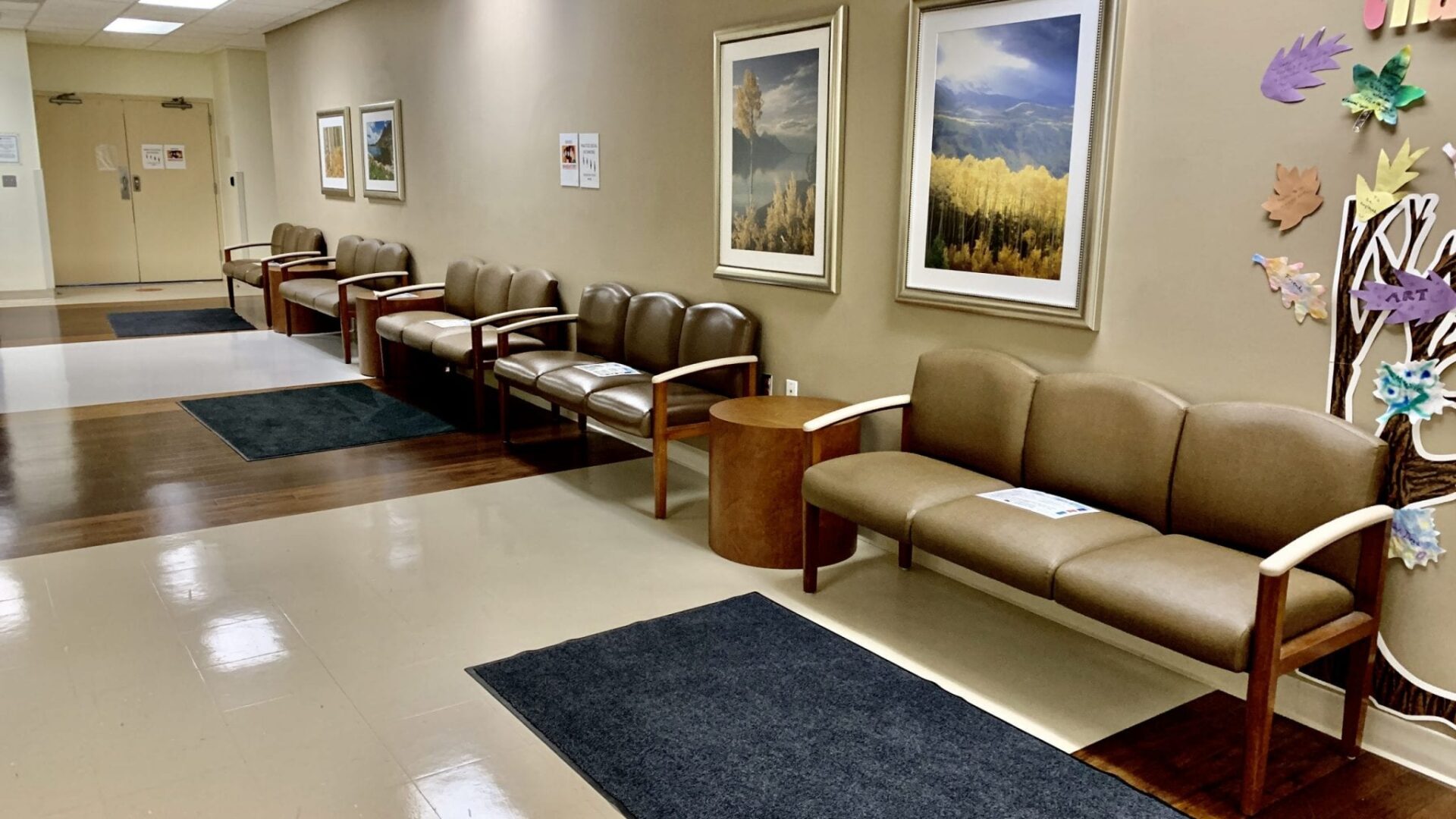

Centennial Peaks Hospital 3 photos
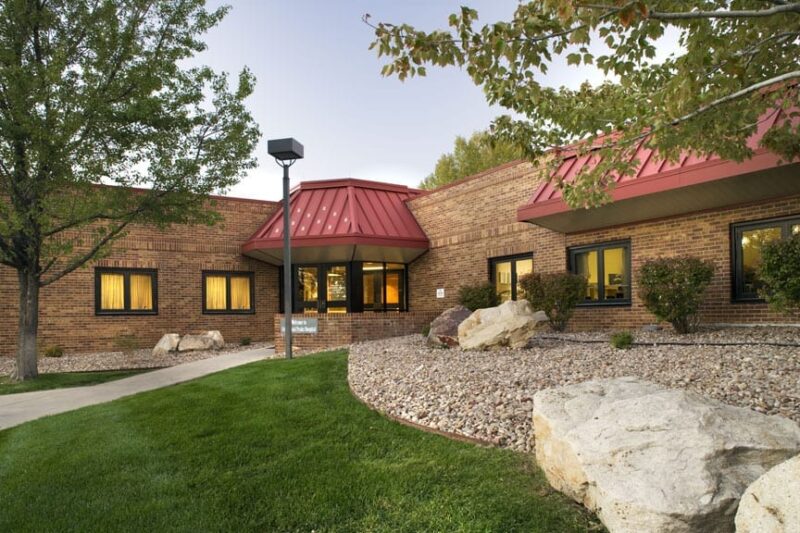

Centennial Peaks Hospital in Louisville, Colorado provides adult psychiatric and substance-use care for people aged 18 and older. Current services include acute inpatient psychiatric stabilization, inpatient medical detoxification and adult outpatient programs; these are distinct levels of care rather than one residential-rehabilitation package.
Branches provides adult outpatient mental-health and chemical-dependency care. The hospital also publishes a partial-hospitalization program for young adults aged 18–24 and electroconvulsive therapy in inpatient and outpatient settings. A confidential assessment determines the appropriate program.
Length is individualized. Centennial Peaks says young-adult outpatient plans typically include up to 20 sessions, while acute inpatient, detox and other outpatient timing depends on clinical need. Insurance benefits are checked for recommended programs, and return-to-community planning begins during treatment. Confirm coverage and expected duration with admissions at 303-673-9990.
Choosing between hospital care and a day program
Centennial Peaks presents several distinct treatment pathways at its Louisville hospital. These include acute psychiatric care, inpatient detoxification, outpatient services through Branches, and electroconvulsive therapy. The useful starting point is the support someone needs now: continuous hospital care, structured daytime treatment, or a specific specialist assessment.
The hospital’s program overview describes planning for a return to community life as part of treatment. This can involve follow-up with a physician, a partial-hospitalization program, outpatient care, or other resources. The availability of several services makes coordination possible, while the receiving team still needs to establish which pathway is appropriate and available. When comparing Centennial Peaks with a residential rehabilitation provider, compare the actual admission purpose, clinical support, daily schedule, and discharge arrangements. A hospital stay for stabilization and a longer outpatient course have different practical demands and should not be treated as interchangeable program lengths.
Acute inpatient treatment is for adults needing stabilization
The adult inpatient program identifies an age threshold of 18 and describes psychiatric stabilization with nursing care available around the clock. Examples of the concerns it assesses include severe emotional crises, suicidal thoughts, and psychotic episodes. Its purpose is to provide support during an acute presentation, with a treatment plan developed for the individual.
The hospital lists nurses, case managers, social workers, therapists, psychiatrists, and other specialists within the clinical team. Planning for the next stage begins at admission and may include outpatient treatment or community referrals. Families considering this service should clarify the current admission criteria, the information needed from existing clinicians, and how they can participate in planning. The acute-care description does not promise a fixed stay or guarantee that every psychiatric or medical need can be managed on the unit. Those questions require assessment by the receiving professionals.
Detox has its own purpose and expected duration
Centennial Peaks describes inpatient medical detoxification with 24-hour nursing and medication management. The published usual duration is three to seven days, during which the team provides physical and emotional support for withdrawal from alcohol or other drugs. That range describes the detox service rather than a complete course of addiction treatment.
The program includes developing a personalized recovery plan and considering ongoing support. Possible next steps named by the hospital include physician follow-up, partial hospitalization, outpatient treatment, or community resources. A person seeking admission should discuss recent substance use, previous withdrawal experiences, medical concerns, and prescribed medication with the assessment team. The team can then determine the appropriate care setting and monitoring needs. Before discharge, clarify which next service has accepted the referral and what appointments are confirmed. Completing a short detox stay does not itself establish that all continuing treatment has been arranged or funded.
Branches separates adult PHP and IOP tracks
Branches provides daytime care for adults who do not require 24-hour support. The adult PHP is published as five hours daily, Monday–Friday from 9 a.m. to 2 p.m., with lunch, medication-management services, and access to individual therapist support.
The substance-use IOP has in-person afternoon and evening tracks on Mondays, Wednesdays, and Fridays. The page describes three-hour sessions, a six-week course, and a total of 20 sessions; confirm the actual appointment calendar because those descriptions need reconciliation. It uses the Living in Balance curriculum and describes a recovery approach that is not specific to Alcoholics Anonymous, while encouraging community support.
The mental-health IOP has separate morning tracks, including in-person and virtual options, using approaches such as dialectical behavior therapy and acceptance and commitment therapy. Confirm the assigned track, its current days, and any appointments outside group hours. A general outpatient inquiry should resolve these details before work or transport arrangements are made.
Young-adult PHP addresses an age-specific transition
The young-adult partial-hospitalization program is described for ages 18–24. It supports people with mental-health or substance-use needs who can live at home and do not require continuous hospital care. The provider identifies daily functioning, education, employment, social relationships, and new adult responsibilities as relevant areas of work.
The published schedule is Monday–Friday from 9 a.m. to 2 p.m., with five hours of therapeutic care daily, lunch, and medication-management services. Typical plans are described as including up to 20 sessions, with the person’s needs assessed individually. This gives a practical basis for discussing attendance around college, work, and family obligations. Ask how the group’s goals relate to your current difficulties and what support is expected outside program hours. The age-specific timetable should not be used to infer the duration of another Centennial Peaks service, including acute hospitalization or medical detoxification.
SPMI PHP requires stability outside the hospital
The partial-hospitalization program for severe and persistent mental illness is described for adults with conditions such as bipolar disorder, schizoaffective disorder, or schizophrenia who are stable enough to live at home. Its published structure is 20 in-person sessions over four weeks, running Monday–Friday from 9 a.m. to 2 p.m., with lunch.
Participants meet a psychiatric provider weekly for medication management. The curriculum includes cognitive and dialectical behavior approaches, life skills, art and music activities, a pharmacy group, and one family session. These details distinguish this program from a generic weekly counseling appointment. Ask how eligibility is assessed and how the team coordinates with existing outpatient clinicians. The page says transport options may be available, so travel support needs confirmation rather than assumption. Home circumstances and the ability to participate consistently are part of the practical discussion because the program does not provide overnight supervision.
ECT requires a separate clinical evaluation
The hospital describes electroconvulsive therapy in inpatient and outpatient settings, delivered by a team that includes a psychiatrist, anesthesia professionals, and nursing staff. Its referral checklist requests psychiatric and medical history, previous medication trials, current medications, treatment goals, and information from the referring psychiatrist. The team then evaluates suitability and discusses benefits, alternatives, and risks.
The ECT page combines an adult label with an ages-14-and-older statement. Age eligibility for this particular service therefore needs direct clarification; the adult inpatient program’s age rule does not resolve the wording of the separate ECT pathway. The hospital also states that treatment response is not guaranteed and that ECT is one component of a broader plan. Ask how preparation, treatment monitoring, transport, and continuing psychiatric care would be organized in your circumstances. An online description is a starting point for that specialist discussion, not a recommendation that an individual should undergo the procedure.
The admission assessment guides the next step
Centennial Peaks describes a complimentary level-of-care assessment lasting approximately 45–60 minutes. A licensed mental-health professional gathers information and discusses treatment needs. A loved one may attend, while the prospective patient is also seen individually. This gives the assessment team an opportunity to hear both personal concerns and relevant supporting information.
The recommendation may involve resources for a community clinician, an IOP appointment after benefits are checked, or inpatient admission when the appropriate criteria are met. The admissions page lists major insurers, including Medicare, Medicaid, and TRICARE, but individual coverage and responsibility still require confirmation. Ask which program has been recommended, what records are needed, and what financial approval is required for that service. The duration of the assessment should not be confused with a treatment session or a promise that every person who attends will enter a particular hospital program.
The inpatient setting has specific privacy and discharge arrangements
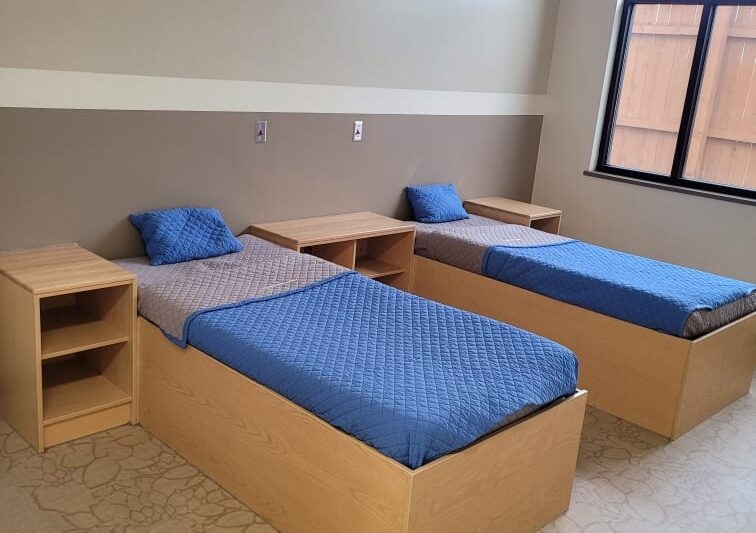
The hospital’s patient-experience guidance describes a locked facility with rooms designed for two people. On admission, a nurse reviews the person’s condition and belongings, and a social worker is assigned to help coordinate care, family meetings, and discharge planning. Personal phones are restricted, and relatives need the patient identification number when communicating with staff.
The same guidance makes an important distinction about follow-up appointments. The hospital can provide a medication-management referral, but the patient must schedule and attend that appointment. For continued therapy, it describes providing a referral and scheduling the first appointment, which the patient is responsible for keeping. A discharge meeting includes the patient and a support person, with adult patients responsible for arranging that person’s attendance. Before leaving, review the written plan, the appointments already booked, and any remaining tasks. These practical responsibilities matter when organizing support at home after an acute stay.
Packing should follow the hospital’s safety rules
Centennial Peaks asks patients to bring a limited selection of casual clothing, suitable shoes, insurance and prescription cards, and relevant professional contact details. Its packing guidance restricts drawstrings, belts, valuables, electronic devices, and various personal items. The hospital says it supplies toiletries, and all belongings are checked by staff.
The packing guidance says medication that the pharmacy does not stock may be kept in the medication room and used after a physician’s order. Confirm these arrangements before arrival, particularly if you use an uncommon prescription or need medical equipment. Visitors should give proposed items to staff for review rather than directly to the patient. Following the current packing instructions can prevent avoidable delays and confusion; it does not require changing an existing prescription without advice from the appropriate clinician.
Confirm the delivery format of the selected outpatient track
The hospital’s telehealth page lists adult mental-health, dialectical-behavior, and chemical-dependency intensive outpatient services. It says remote eligibility depends on clinical needs, geographic location, and the provider’s decision. Video appointments may use a phone, tablet, or computer, with financial arrangements confirmed separately.
This broad description does not confirm the delivery format of a particular group. Chemical-dependency telehealth is listed on this page, but the individual track and current format still require confirmation before enrolling. Ask which format applies to your place, whether any visits must occur at the hospital, and how to contact the team if participation becomes difficult. Clarify the group’s time zone and attendance requirements before making work or travel plans. Remote delivery changes how eligible care is accessed, while the clinical requirements of the program still apply.
Records sharing can support continuity of care
Centennial Peaks provides a digital release-of-information process and downloadable forms in English and Spanish. Its records page also links information about charges for medical-record requests. These resources are relevant when a current clinician needs information from a hospital stay or when treatment is moving to another provider.
Confirm which records the next clinician needs, how the authorization should identify the recipient, and whether there is a fee or processing time for the request. A release form and an appointment booking are separate practical steps: sharing information does not itself reserve a place in another program. Keep a copy of the discharge instructions and clarify who is responsible for sending any additional clinical material, particularly when ongoing medication management and counseling will be handled by different professionals.
Linked official information was reviewed on October 19, 2026 using provider-page text available through the web search service. The published SUD-IOP session totals and ECT age wording require clarification. Confirm the actual program, schedule, admission eligibility, and personal costs directly.
Official sources — Checked October 13, 2026: hospital overview; programs and discharge planning; adult inpatient eligibility; assessment and insurance process; young-adult outpatient timing.