Banbury Lodge
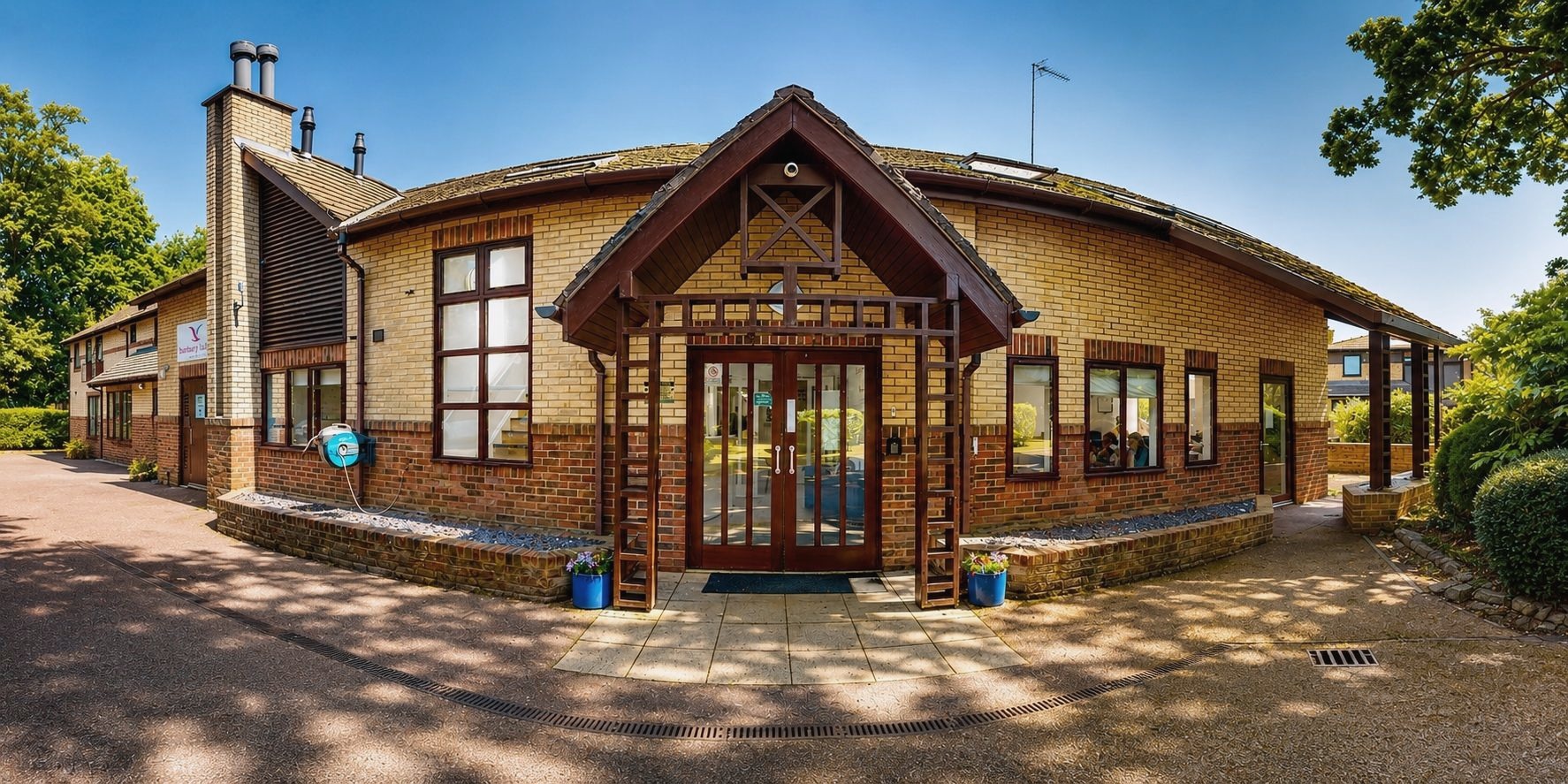


Banbury Lodge 3 photos

Banbury Lodge is a private residential clinic in Oxfordshire for people aged 16 and over. It treats alcohol and drug dependence, behavioral addictions and eating disorders, with programs tailored after admission assessment.
Programs and duration
Published care includes detoxification, individual and group counseling, holistic therapies, 12-step work and specialist eating-disorder treatment. Banbury Lodge promotes a 90-day inpatient program as its most comprehensive pathway and provides continuing alumni and aftercare support; shorter or different plans depend on clinical need.
A residential program with individual and group treatment
Banbury Lodge’s treatment overview identifies its own service as inpatient residential rehabilitation. Although the same page explains outpatient care generally, that explanation should not be read as a separate routine outpatient program at the Banbury clinic. The residential model includes living at the facility while participating in an organized treatment schedule.
The provider describes individual counseling, group work, education, relapse-prevention planning, and medication where clinically appropriate. These components serve different purposes. A prospective resident should ask how much individual clinical time is planned, what the regular groups cover, and how progress will be reviewed during the stay.
Assessment should also establish whether residential support matches the person’s current needs and what arrangements exist if a different medical or psychiatric service is needed. A private room and a structured setting do not themselves determine clinical suitability. Compare the proposed plan with the person’s actual treatment history, responsibilities, and support after discharge, rather than assuming that everyone requires the same sequence of care.
Admission involves assessment, availability, and written terms
The admissions process begins with a discussion of the person’s circumstances, followed by questions about substance use, health history, immediate risks, goals, and whether detox is needed. The team also discusses likely duration and funding. A family member may make an initial inquiry, but this should be distinguished from the individual’s own assessment and agreement to treatment.
Banbury says admission can sometimes occur within 24–48 hours, subject to clinical assessment and an available place. That is not confirmation of a current vacancy. Its published payment process involves a deposit to secure the place and the remaining balance on arrival, with the program, fees, and terms explained in writing.
Before travel, obtain confirmation of acceptance, arrival arrangements, and the packing list. The provider asks for prescribed medicines in their original packaging and relevant documents. Discuss medication with the clinical team rather than stopping it independently. An admissions telephone service is also distinct from an emergency medical response when someone is in immediate danger.
Private bedrooms coexist with shared therapeutic spaces
The facilities page describes 22 private bedrooms with en-suite bathrooms. It also identifies separate rooms for individual consultations and group therapy, communal lounges, outdoor grounds, an on-site gym, and meals prepared by an in-house chef. This is a shared treatment community with private sleeping accommodation, rather than a one-client residence.
For residents receiving eating-disorder care, the provider says meals are prepared with clinical and nutritional guidance. Ask how individual dietary requirements, meal support, and use of exercise facilities fit the agreed treatment plan. Access to a gym should not be assumed to mean unrestricted activity for every resident.
The clinic asks residents to arrange travel where possible, preferably with a trusted companion, and says it can help discuss alternatives when that is not feasible. Confirm accessibility, mobility needs, any transport charge, and what assistance is actually included. The available rooms and grounds describe the setting; they do not establish a particular clinical outcome or current room availability.
Older teenagers need an age-appropriate admission plan
The dedicated teen rehabilitation page describes residential care using individual and group therapy, cognitive behavioral approaches, motivational interviewing, family sessions, and continuing support. Its discussion recognizes practical concerns such as homesickness, relationships, and time away from education. These descriptions should not be interpreted as an offer to treat every child or every adolescent age group.
Families should ask how the young person’s accommodation, group participation, consent, confidentiality, and family involvement are arranged. It is also important to establish how education will be managed during the proposed stay. A discussion of returning to school does not establish that the clinic provides a full school curriculum or a particular academic qualification.
The page describes joint family sessions and opportunities to connect with peers. Confirm which elements are available for the person’s age and needs. Detox should depend on medical assessment, rather than being assumed necessary for every teenager. Treatment should not be presented as risk-free or as a guaranteed resolution of academic or family difficulties.
Detox is assessed separately from the longer rehabilitation plan
Banbury’s detox information describes an admission medical assessment followed by an individualized plan, monitoring, and medication when needed to manage withdrawal. It discusses alcohol, other drugs, and prescription-medication dependence. A person’s substances, recent use, previous withdrawal experience, and other health needs are relevant to that assessment.
The provider also distinguishes detox from the psychological and behavioral work that follows. Completing withdrawal management alone does not amount to completing the whole treatment plan. Ask how the team coordinates the transition into therapy, how symptoms are reviewed, and what happens if medical needs exceed the clinic’s capabilities.
A general detox page cannot predict an individual’s withdrawal duration or establish that stopping a particular medicine is appropriate. Obtain individualized instructions from the treating team, including how existing prescriptions will be managed. The clinical purpose is assessment and supported management of withdrawal where indicated, not a promised “reset” of brain chemistry or an assurance that complications cannot occur.
Eating-disorder care has a separate clinical and nutritional focus
The eating-disorder program lists two individual therapy sessions and one group therapy session weekly, alongside approaches such as CBT, DBT, family work, nutritional guidance, and relapse-prevention planning. Banbury also describes a chef working with nutritional input to prepare meals for individual needs. Confirm whether those figures describe the complete current schedule or particular elements within it.
The clinic presents care for concerns including anorexia, bulimia, and binge-eating disorder, and describes accepting some patients under 18. This does not establish that every medical severity can be managed at the same setting. Before admission, ask which physical-health assessments and monitoring are provided, who oversees the nutritional plan, and what transfer arrangements apply if a higher level of medical support is required.
The proposed program should address the person’s assessed eating disorder rather than treating all disordered eating as a behavioral addiction. Ask how meal support, individual therapy, family participation, and follow-up will work together, including any separate specialist care that continues outside the clinic.
Co-occurring mental health needs should remain visible in the plan
Banbury’s dual-diagnosis page describes support for substance-use problems alongside mental health concerns. It identifies CBT, DBT, family therapy, and motivational interviewing among the approaches used. This broad description does not establish a dedicated specialist pathway for every condition mentioned elsewhere on the website.
Ask who assesses the mental health symptoms, how existing diagnoses and medication are reviewed, and how the team distinguishes ongoing needs from symptoms associated with substance use or withdrawal. A coordinated plan should make clear which professionals are responsible for each part of care and whether outside clinicians remain involved.
Some people may need urgent stabilization or another setting before this residential program is appropriate. That decision is individual; the label “dual diagnosis” does not determine one universal treatment order or duration. Families should receive a clear explanation, with the patient’s consent, of the proposed clinical scope and the plan for continuing mental health treatment after the residential stay ends.
Family sessions require a clear purpose and agreed participation
The family-therapy information describes work on communication, relationships, coping, and how relatives can support recovery. Listed methods include cognitive behavioral, structural, solution-focused, systems, and narrative approaches. The page also states that availability depends on the chosen facility, clinical assessment, and the individual treatment program.
Before assuming family sessions are included, ask who can participate, how often meetings occur, whether remote attendance is possible, and whether they are part of the agreed fee. A relative’s initial admissions inquiry is different from consent to share clinical details during treatment. The patient and clinicians should agree appropriate information-sharing boundaries.
Family involvement should respond to the actual relationships and safety needs involved. It does not require blaming relatives for a disorder or promising reconciliation. If joint work is unsuitable, ask what separate education or support is available. The aim of the proposed sessions should be specific enough to understand without assuming every family needs the same intervention.
Bupa and AXA funding depends on assessment and authorization
The insurance page says Banbury Lodge works with Bupa and AXA for inpatient addiction treatment. It describes assessment by a psychiatrist recognized by the relevant insurer, submission of clinical documentation, and the insurer’s decision about funding. Recognition by an insurer is not automatic approval of every admission, service, or length of stay.
Banbury specifically says coverage for eating disorders and co-occurring mental health treatment varies by policy. Disclose the actual treatment needs during the funding discussion so that authorization relates to the proposed care. Ask what happens if the recommended course changes or the insurer funds only part of it.
For a shortfall or self-funded stay, request the total expected charge and what it includes before agreeing to admission. The provider says costs vary by program and duration. Compare written estimates using the same treatment scope and time period, rather than converting an unverified package into an assumed weekly rate. Keep copies of the authorization and financial terms.
The 90-day offer is a conditional readmission arrangement
On its current homepage, Banbury promotes a 90-day residential program and describes a particular follow-up promise. It says someone who successfully completes that program and experiences a relapse within 30 days of leaving may return for a complimentary 28-day treatment period under the offer. The stated time windows and completion condition are central to understanding it.
This should not be interpreted as a guarantee that relapse will never occur, that recovery lasts for life, or that every resident qualifies for free future treatment. Ask for the complete written terms, how eligibility is assessed, what the return period includes, and how an urgent need for help is handled.
The length of the initial stay should still follow assessment and the proposed care plan. A readmission offer is a commercial and service arrangement, separate from evidence that a particular duration is best for an individual. Compare its terms with actual clinical needs, continuity of care, and the arrangements available after discharge.
Weekly aftercare is distinct from unlimited individual treatment
Banbury’s aftercare page describes 12 months of free weekly group sessions for people completing its rehabilitation program. It specifies 52 sessions, usually around 90 minutes, delivered over Zoom with a trained counselor. This gives a more precise picture than the broad statement that aftercare is included.
The sessions are described as opportunities to discuss progress, difficulties, and resources with other former residents. They should not be assumed to include unlimited individual psychotherapy, prescribing, crisis treatment, or another residential stay. Ask about the actual group time, joining instructions, eligibility after early discharge, and what happens when someone cannot attend regularly.
Before leaving, the resident should understand which ongoing needs are addressed by these groups and which require separately arranged care. For someone returning to another region or country, check the time zone and how local professionals can remain involved. A regular online group can be one element of continuing support without replacing an individualized follow-up plan.
Secondary care may involve a different UKAT location
The secondary-care page discusses a step-down model but locates its detailed example at Providence Projects in Bournemouth. It describes accommodation separate from the therapy premises, daily therapy, relapse-prevention work, independent-living skills, and greater responsibility for meals, budgeting, and routines. Those details should not automatically be attributed to an additional service at the Banbury address.
If secondary care is recommended, ask which actual facility would receive the referral, what assessment is required, and how accommodation and treatment charges are divided. Confirm transport, medication continuity, the timetable, and the process for returning to local care. A place at Banbury does not itself confirm acceptance or a vacancy in another program.
The level of support should be selected according to the resident’s needs and circumstances after primary treatment. Secondary care is not a compulsory stage for everyone. Its purpose, expected duration, and alternatives should be explained in the discharge plan so the next step is a defined arrangement rather than a general promise of ongoing support.
Provider sources reviewed October 19, 2026. Confirm current program availability, clinical eligibility, fees, and insurance arrangements directly.
Contact and funding
The clinic lists The Hawthorns, Banbury, Oxfordshire OX16 9FA and telephone 0203 826 8381. It is recognized by AXA and Bupa, but insurance authorization, exclusions and client costs must be confirmed directly. No single weekly fee applies across all programs.
Official sources: Banbury Lodge, contact information, treatment, insurance and facilities. Official sources checked October 13, 2026.