Balance Treatment Center
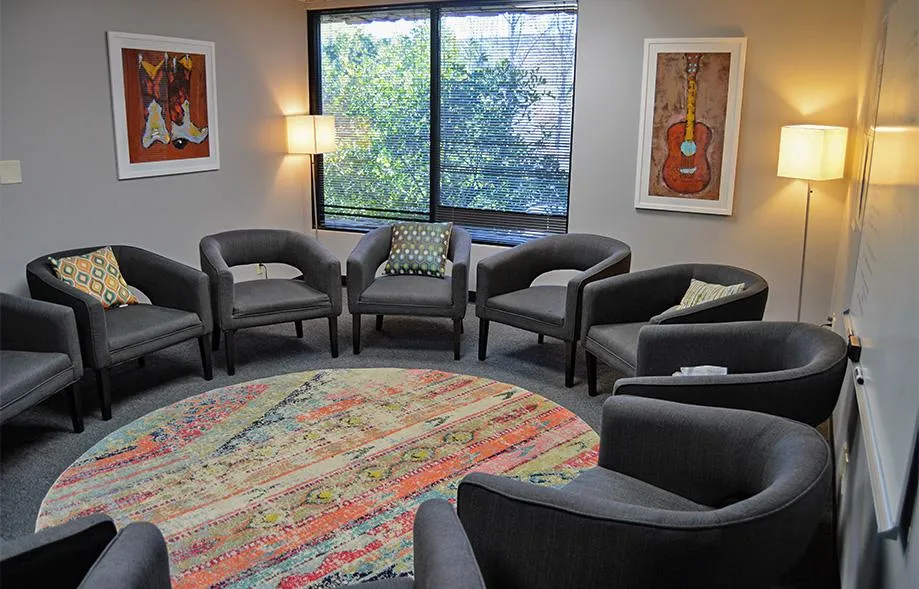
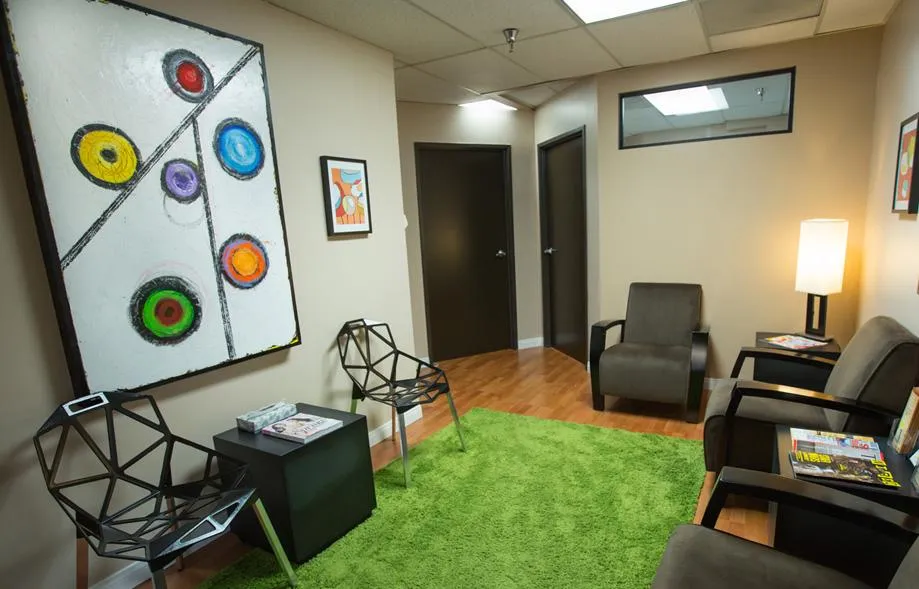
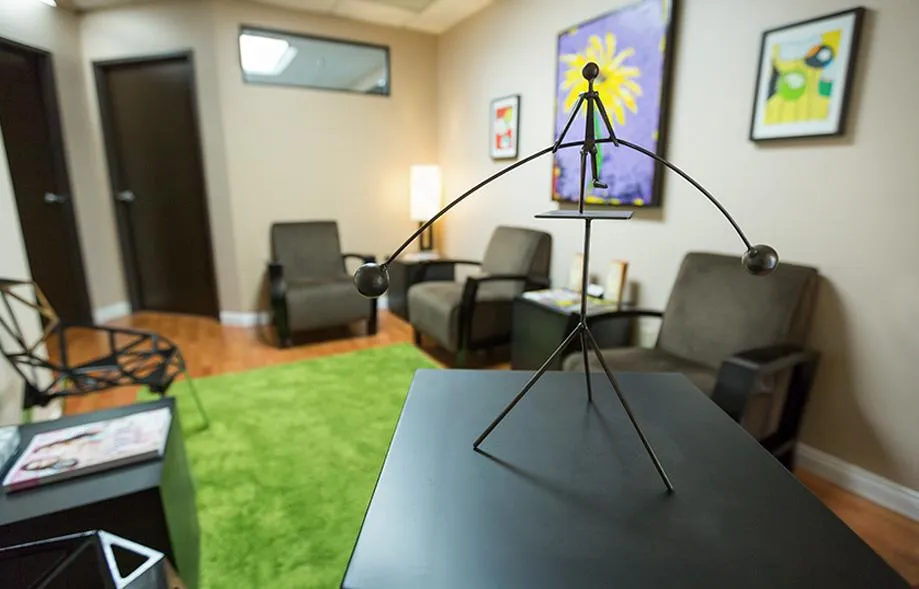
Balance Treatment Center 3 photos

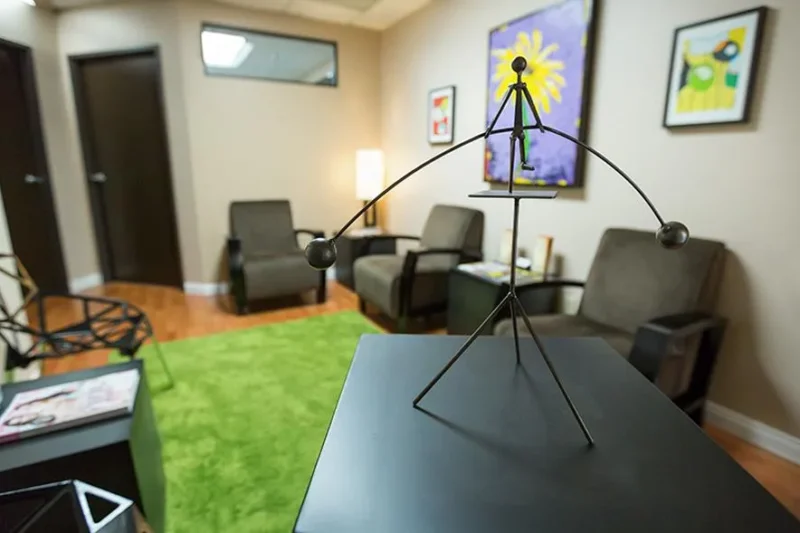
Balance Treatment Center is a California outpatient mental health network, distinct from THE BALANCE. The provider lists centers in Calabasas, Fresno, Monterey, San Luis Obispo, Santa Maria, Ventura and Visalia.
Its published services include intensive outpatient programs for adults and adolescents, adult partial hospitalization and specialized children’s treatment. Care combines group therapy, individualized planning and family support; program availability must be checked with the chosen location. The Visalia office is one campus, not the address of every service in the network.
Balance states that it works with major insurance providers and lists in-network arrangements. Benefits and patient costs need individual confirmation. Ask the selected center to confirm age eligibility, the proposed duration, and a written estimate of personal costs.
Choosing the appropriate California office
The Balance location directory lists seven offices: Calabasas, Fresno, Monterey, San Luis Obispo, Santa Maria, Ventura, and Visalia. This is a distributed outpatient network, so the location nearest a family and the location offering a particular program may require separate confirmation. A network referral should identify the actual office, program, and attendance format before someone organizes travel or changes a school or work schedule.
When comparing these offices, consider the practical journey to repeated appointments and the support available between visits. Ask the receiving team to confirm which age group it serves, whether the proposed sessions are in person or remote, and who coordinates the treatment plan. A list of network services does not establish a residential stay, overnight supervision, or the same timetable at every address.
Adult intensive outpatient treatment
Balance describes its adult intensive outpatient program as a possible next step after inpatient or partial hospitalization care, or when ordinary outpatient appointments provide insufficient support. Group work is central to the model. Clients continue living outside the program while attending structured treatment, making their home circumstances and ability to participate consistently part of the enrollment discussion.
The adult program emphasizes understanding patterns in emotions, behavior, and relationships. Ask how the team will turn those broad aims into individual goals and how progress will be reviewed. The published program description does not supply a single mandatory length or weekly calendar for every office. Obtain the proposed days, hours, and attendance requirements, and discuss how the team will respond if the person’s needs change during treatment.
Adolescent treatment and family participation
The adolescent IOP description places particular emphasis on relationships and the family system. Balance describes education and therapeutic work involving young people and parents, with coordination alongside existing outpatient providers. This gives families a reason to ask about the whole care arrangement rather than viewing enrollment as a set of isolated group appointments.
Useful details include how school attendance will be managed, which sessions involve the young person alone, and what participation is expected from caregivers. Discuss consent, privacy, and the information that can be shared with other clinicians. Family participation should have a defined therapeutic purpose and account for safety and the young person’s circumstances. The page does not establish that all relatives must participate together or that family relationships are the sole explanation for a teenager’s difficulties.
How adult partial hospitalization differs
Balance’s adult partial hospitalization program is structured daytime mental-health treatment. Clients return home after the treatment day. The provider describes group-based therapeutic work, including cognitive behavioral and dialectical behavior approaches, within a more intensive plan than routine appointments.
The word hospitalization in the program name does not mean an overnight hospital admission at a Balance office. Before selecting PHP, establish the proposed daily schedule, the location where care will occur, and the arrangements for evenings and weekends. Ask how medication appointments and existing therapy fit into the plan, and what would lead to a different setting. A person comparing PHP with residential or inpatient care needs to understand who provides support outside treatment hours, as well as the content of the daytime sessions.
The children’s program and weekly involvement
The dedicated children’s program overview describes an IOP for ages 6–12, with children attending three days a week and parents attending their own group one day a week. Parent participation may use teletherapy. The approach combines work on emotional and social difficulties with support for the family.
These commitments matter when arranging transportation, school attendance, and caregiver availability. Ask how the child’s developmental needs affect group placement, how attendance is coordinated with school, and what the parent group involves. The published age range needs clarification because another Balance page uses a different boundary.
Clarifying age eligibility and insurance exclusions
Balance’s FAQ lists children ages 6–11 and adolescents ages 12–17, while the children’s overview includes age 12. Ask the selected office which program would assess a 12-year-old. The FAQ also states that Balance cannot accept Medicaid, Medi-Cal, or Medicare coverage. Families using these plans should resolve payment or alternative referral options before scheduling a course of treatment.
Skills children can practice between sessions
The children’s skill-building page describes work on handling stress and conflict, recognizing emotions, and communicating feelings. These are practical treatment aims that families can discuss in relation to the difficulties occurring at home, at school, or with peers. They are more useful when connected to a child’s specific assessment than presented as a promise of a particular result.
Ask the clinician which skills the child is practicing and how caregivers can support that practice without turning every interaction into a test. A useful review can identify which situations remain difficult, what has been tried, and whether the approach needs adjustment. The published description does not specify one curriculum, session count, or outcome that applies to every child entering the program.
Social development within the children’s groups
Balance’s social development description explains that therapists use group interaction and play to work on communication, cooperation, turn-taking, and problem-solving. It describes opportunities for children to practice with others and receive feedback, rather than limiting treatment to talking about a difficulty after it occurs.
For a child who finds groups challenging, ask how the team assesses readiness, adjusts activities, and supports participation. Discuss sensory, communication, or learning needs and the arrangements that would make the sessions accessible. The goal should be defined in terms of the child’s functioning and well-being, with expectations that fit their development. A social-skills component does not mean every child with a friendship difficulty requires intensive outpatient treatment or will benefit from an identical group format.
The role of parents and caregivers
The family-role page describes parent wellness groups held separately from the children’s sessions. Parents learn about the skills their children are practicing and consider how to support those skills at home. Balance also describes positive parenting approaches and attention to caregivers’ own well-being.
This makes it useful to ask for a clear explanation of what happens in the parent group and how it connects with the child’s individual plan. Caregivers can discuss practical barriers, family structure, and who is able to participate. The purpose is support and coordination, rather than an assumption that a parent caused the child’s difficulties. Where joint involvement is unsafe or impractical, discuss that directly with the clinical team before agreeing to attendance expectations.
The military transitional program
Balance’s transitional intensive outpatient program is an eight-week, nonresidential program addressing military transition. The published schedule is three to five weekdays, with three hours of groups per day, available through on-site and telehealth arrangements. The page describes group work, individual case support, family education, and safety planning.
Topics include transition, relationships, communication, identity, and independent living. This program has a specific purpose and timetable that should not be assigned to every adult IOP in the network. Ask which location or remote arrangement is available, how the schedule fits current service or employment duties, and what referral documentation is needed. The program description alone does not establish a military or VA affiliation, automatic authorization, or payment under a particular benefit. Those arrangements require separate confirmation.
What the therapy descriptions establish
The treatment-methods page lists approaches including CBT, DBT, acceptance and commitment therapy, motivational interviewing, psychodynamic work, and multifamily groups. Group therapy remains an important part of the published model. The page states that individual therapy within PHP or IOP may be available as clinically needed and that Balance can work alongside an existing therapist or psychiatrist.
That wording is useful when comparing a group-centered program with a plan built around frequent private sessions. Ask which methods are actually proposed, who delivers them, and how often individual appointments would occur. A long list of therapies does not guarantee that every client receives every modality. Discuss the purpose and evidence for any additional method being proposed, including its costs, alternatives, and how its benefit will be evaluated for the individual.
Mental-health concerns and appropriate clinical scope
Balance’s conditions page lists concerns such as anxiety, depression, bipolar disorder, trauma, psychosis, ADHD, relationship difficulties, and co-occurring substance use. The breadth of that list makes assessment important: the diagnosis alone does not determine whether outpatient group treatment is an appropriate setting at a particular point in time.
Discuss current symptoms, medication, recent hospital care, substance use, and the support available outside sessions. Ask which needs Balance would treat directly and which require another clinician or a more intensive service. The program’s psychological explanations should not be treated as proof that every condition has the same cause or can be resolved through one approach. A clinical plan should also distinguish support for distress or discrimination from any suggestion that a person’s sexual orientation or gender identity requires treatment.
What is specific to the Visalia office
The Visalia location page identifies the office at 1528 South Mooney Boulevard and describes structured, group-centered outpatient care with family involvement where helpful. It presents IOP and PHP within the local service description and discusses work with individuals and families in the surrounding Central California area.
For someone considering Visalia, request confirmation of the actual program, age group, and opening schedule before relying on a network-wide description. Discuss whether ongoing appointments with another provider will continue and how records or recommendations will be shared with consent. The Visalia page describes an outpatient office; nearby scenery and regional accessibility do not establish residential accommodation. Its staff and services should be assessed as local arrangements, without transferring the same staffing, availability, or program details to every Balance location.
Costs and payment arrangements
The financial questions page describes insurance verification, self-payment, and payment arrangements. It lists several payment methods, including credit cards, wire transfer, cashier’s checks, and CareCredit. A financing option is a separate financial agreement; it should not be interpreted as insurance coverage, a grant, or an assurance that an application will be accepted.
Ask for the costs associated with the specific location and level of care, including any separate psychiatric, assessment, or other charges. For insured treatment, confirm network participation, authorization requirements, and the expected personal share with the plan. A written estimate should explain what changes if attendance or the care level changes. If financing is considered, review its repayment terms independently of the clinical recommendation so that the expected treatment commitment and payment commitment are both understood.
Making the first contact useful
Balance’s getting-started page describes a sequence of contacting the team, matching with a program, and scheduling a visit. That initial conversation is a chance to explain the immediate concerns and establish which service should assess them. It is not necessary to select a particular therapy or level of care based only on the website.
Prepare information about current treatment, relevant health history, medication, previous program experience, and the practical limits on attendance. Ask what the first visit includes, whether other records are needed, and who will explain the resulting recommendation. If care is offered remotely, confirm the person’s location and the arrangements for clinical support. Before enrollment, the family or adult client should understand the program’s purpose, proposed attendance, expected costs, and how any questions arising between sessions will be handled.
Official sources
Programs and insurance; Current locations. Checked October 13, 2026.