AspenRidge Recovery



AspenRidge Recovery 3 photos

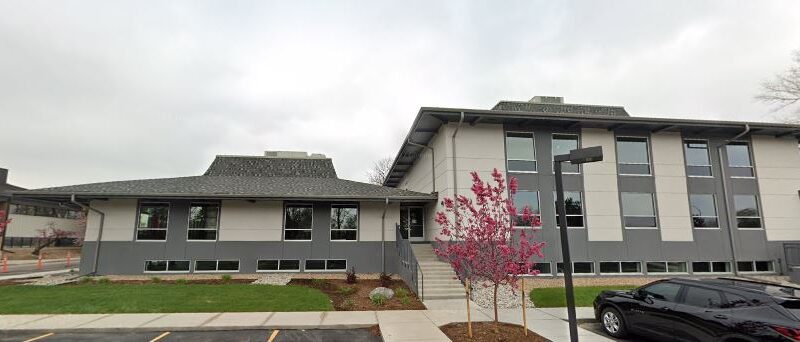

AspenRidge Recovery is a Colorado treatment provider. The address in this listing identifies its Lakewood outpatient location at 7500 West Mississippi Avenue, Suite 200, Lakewood, Colorado 80226, rather than the entire network.
The Lakewood service describes integrated addiction and co-occurring mental health treatment, trauma-informed therapy, psychiatric input, medical and peer support, family programming and alumni support. In-person and virtual options are offered; confirm the appropriate care level and current schedule for this campus.
The provider states that Colorado Medicaid and many major insurance plans are accepted and describes cash-pay and payment-plan options. Eligibility and patient costs must be verified individually. The provider lists PHP day treatment for up to 30 days, a five-day IOP for up to 60 days and a three-day IOP for up to 90 days. Confirm the minimum age, written self-pay quote and any applicable taxes with admissions before enrollment.
Understanding the Lakewood location
The Lakewood location page describes outpatient addiction treatment at 7500 West Mississippi Avenue, Suite 200. It is one location within AspenRidge’s Colorado network. A service, staff member, or insurance arrangement advertised for another city should be confirmed before being applied to this office.
Lakewood offers different treatment intensities, including day treatment and two intensive outpatient schedules. These allow people to receive structured care while maintaining an arrangement outside program hours. They should not be interpreted as residential accommodation. Ask which local team will provide treatment, whether sessions are in person or hybrid, and what transportation assistance may be available. The provider mentions help with transport and access from the Denver area, but the actual journey and any assistance should be arranged individually. Share work, school, caregiving, and accessibility needs before agreeing on attendance.
The Lakewood day program
The Lakewood partial hospitalization program, or PHP, publishes more than 30 clinical hours weekly, with treatment on five weekdays and a course of up to 30 days. Its description includes group work, a weekly individual session, psychiatric evaluation and medication support when needed, case management, and discharge planning.
The page also provides an illustrative day with arrival at 8:30 a.m. and programming ending at 3 p.m. Ask for the actual attendance timetable and how group hours, individual appointments, lunch, and breaks are organized; the headline hours and sample grid should not replace a personal schedule. PHP provides daytime structure without a hospital stay. The assessment should consider whether the person has enough support outside those hours and whether withdrawal or other clinical needs require a different starting point. The published maximum duration is a planning reference, not a guaranteed length or outcome.
Five-day intensive outpatient treatment
The five-day IOP describes 15 hours of group treatment each week, arranged as three hours per weekday, for up to 60 days. AspenRidge also lists weekly individual therapy, psychiatric and medication support when appropriate, case management, family programming, and peer support. In-person and hybrid arrangements are described.
The sample schedule uses two 90-minute group blocks, but exact morning or afternoon times are left to confirmation. Someone planning a work return should obtain those details before assuming the program fits a particular shift. Ask which appointments take place outside the group blocks and what attendance is expected each week. This program supplies less daytime structure than PHP while retaining frequent contact. Movement into it should reflect the clinical assessment and progress toward agreed goals, rather than an automatic calendar change after a fixed number of days.
Three-day intensive outpatient treatment
The three-day IOP publishes nine hours of group treatment weekly, with three-hour sessions on three days and a course of up to 90 days. The description includes regular individual work, case management, family involvement, peer connection, and planning for continuing support. Ask how often individual appointments will occur in the proposed plan.
This schedule may suit a step down from a more intensive program or continued structured support when clinically appropriate. It still requires reliable attendance and a workable living arrangement outside treatment. Clarify which days are offered, whether the recommended format is in person or hybrid, and what to do if symptoms or substance use increase between visits. The published lengths for PHP and the two IOPs should not be added together as a standard compulsory course. The treatment team should explain the starting level and the criteria for changing it.
Substance use and co-occurring concerns
The Lakewood treatment-scope page describes care for alcohol and other substance-use concerns, including opioids, cocaine, and cannabis, alongside mental health and trauma-related needs. Its emphasis is an integrated outpatient plan rather than treating the substance-use history as separate from the person’s emotional and practical circumstances.
Discuss previous diagnoses, current symptoms, past treatment, medications, and the effects on work, relationships, and daily functioning. The presence of a condition on a website does not settle whether a particular person can be safely supported at this level. Ask who will assess the mental health concerns and how psychiatric input is coordinated with therapy. If treatment is being sought mainly for a psychiatric condition, clarify that explicitly. The proposed plan should identify what Lakewood will provide directly and which needs require another clinician or a different setting.
Withdrawal care is arranged separately
AspenRidge’s withdrawal-management explanation distinguishes CMAR’s outpatient withdrawal management from off-site medical detox. Eligible people may receive scheduled medical oversight and medication while remaining at home through CMAR. When withdrawal risks require another setting, AspenRidge describes coordinating an off-site detox admission before its own treatment begins.
This does not establish an inpatient detox unit at the Lakewood outpatient address. Tell the screening team about substances, recent use, past withdrawal complications, prescribed medicines, and available home support. Ask which organization will be responsible during withdrawal and when transfer into AspenRidge is expected. The provider says medication-assisted recovery can continue during subsequent treatment when clinically appropriate. Confirm the prescribing handoff and follow-up appointments rather than assuming medication must stop at a program boundary. Do not change a prescribed medicine or attempt withdrawal based on a program comparison.
The separate weekly virtual service
The virtual care program is described as an adult standard outpatient service, with a clinician-led 90-minute group once weekly and individual or family services discussed as additional treatment options. It should be distinguished from the nine- or 15-hour intensive outpatient schedules, even when those programs offer a hybrid format.
The weekly service may be considered as ongoing care or a later step in a treatment plan. Ask whether it provides enough contact for the person’s needs and which appointments are recommended alongside the group. Confirm geographic eligibility, the location where the person will attend, technology requirements, and a private place for sessions. Remote access changes how an appointment is delivered; it does not supply overnight monitoring. Establish the process for missed sessions, technical problems, and concerns arising outside appointment hours, especially if the participant lives far from a treatment office.
Peer support and practical recovery goals
AspenRidge’s peer-support description explains that a peer mentor can become involved during the first week and coordinate practical goals with the therapy and medical teams. Examples include arranging transport, finding meetings, preparing for work, and taking one or two manageable steps toward a weekly goal.
The provider explicitly distinguishes this role from psychotherapy, clinical assessment, and medical advice. A peer worker’s experience can support problem-solving and connection, while diagnosis and prescribing remain with the appropriate clinicians. Ask how often contact is planned, which practical tasks the mentor can help with, and how information is shared within the treatment team. Family involvement should be discussed with the person’s consent. It is also useful to establish whether peer contact continues after the treatment schedule reduces, and how it connects with alumni activities and local support rather than duplicating clinical appointments.
Family assessment and education
The family program describes an assessment of the immediate support system and a weekly education group addressing addiction, mental health, trauma, communication, and boundaries. Its process includes gathering information through a support questionnaire and discussion with a clinician. This gives relatives a defined way to raise concerns and understand the treatment approach.
Family education is different from assuming that every relative needs a diagnosis or that every conflict can be resolved in a shared session. Discuss who should participate, what information may be shared, and whether separate family therapy is recommended. AspenRidge also describes referrals to outside family services when appropriate. Ask which elements are included in the person’s treatment and which require separate appointments or payment. For relatives living elsewhere, confirm whether attendance can be remote and how to stay involved without taking over the client’s decisions.
Alumni groups and community activities
The alumni and aftercare program describes a weekly peer-led discussion group, contact with an alumni coordinator, private online support groups, and individual staff contact during the months after treatment. It also publishes monthly social activities and quarterly workshops, with examples ranging from hikes and book groups to service projects and recreational sports.
Those activities provide ways to stay connected outside clinical appointments, but the current calendar, locations, registration requirements, and accessibility should be confirmed. A published history of trips or sporting events does not reserve a place or establish that every activity is offered every month. Before discharge, separate the community plan from ongoing therapy and medication follow-up. Decide which groups are practical to attend and who to contact if more treatment is needed. Continued alumni access should not be interpreted as unlimited free clinical care or a guarantee of recovery.
Insurance and patient responsibility
The insurance-verification page describes in-network arrangements with many insurers, flexible cash payment, and payment plans for uncovered expenses. Its Lakewood information specifically identifies Colorado Medicaid and major insurance plans. That statement still requires verification against the person’s exact plan and the service being recommended.
Ask for a written benefits explanation and personal estimate before treatment starts. Clarify authorization, covered attendance, individual and psychiatric appointments, and any costs associated with an outside withdrawal-management provider. A program’s treatment recommendation and an insurer’s authorization may have different review dates, so establish how changes will be communicated. Insurance arrangements advertised for Colorado Springs, including military-specific references, should not automatically be transferred to Lakewood. If paying privately, request the unit of charge and the terms for changing programs or ending care; a general promise of affordability is not a personal quote.
Beginning the admissions process
The getting-started guide presents insurance verification, an individual assessment, and the start of treatment as separate steps. The assessment is an opportunity to describe the person’s circumstances and identify an appropriate starting point. Submitting a form or completing a benefits check does not itself establish admission or the recommended level of care.
Prepare a list of current clinicians and medicines, previous treatment, practical obligations, and any concerns about attending reliably. Ask which records are needed and how to send sensitive information. Once a program is proposed, confirm the office, appointment format, start date, weekly timetable, and person to contact with questions. Discuss foreseeable scheduling conflicts early. A workable arrangement should identify what happens if the assessment recommends withdrawal care elsewhere, a different AspenRidge service, or support that the network cannot provide.
Planning each transition in care
The treatment pathway describes screening, stabilization when needed, placement in PHP or outpatient care, and planned reductions in treatment intensity. AspenRidge says schedules, medications, and therapy goals are coordinated at handoffs. Graduation planning includes ongoing therapy, recovery groups, medication follow-up when needed, and practical support for work, education, and family life.
Ask what evidence of progress will guide the next transition and who makes that decision with the client. Each handoff should have a named service, a date, and a plan for prescriptions or other appointments that need to continue. This is especially useful when withdrawal care and outpatient treatment involve different organizations. The provider discusses possible starts within days, but an estimated timetable should be confirmed against clinical suitability and actual availability. Returning for reassessment should remain an option if the level of support no longer fits.
The linked provider pages were reviewed on October 19, 2026. Confirm current program availability, clinical suitability, and personal costs directly with admissions.
Official sources
Lakewood location; Lakewood treatment scope. Checked October 13, 2026.