Asana Recovery
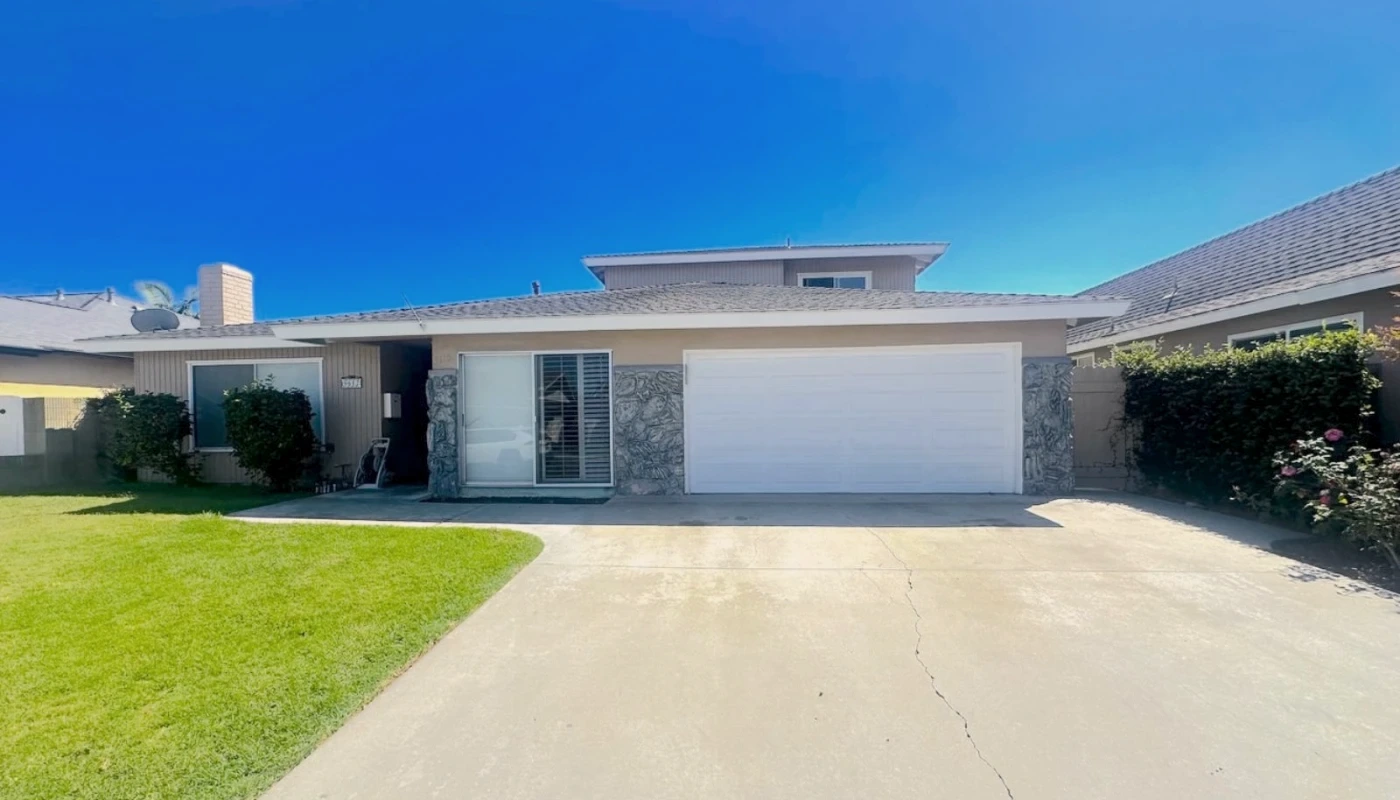


Asana Recovery 3 photos

Provider overview
Asana Recovery operates a primary outpatient addiction and mental-health center at 18101 Magnolia Street in Fountain Valley, California, with structured sober-living homes in Costa Mesa and Huntington Beach. These are distinct parts of a multi-location network: the Fountain Valley site is the clinical hub, while the residences provide housing during outpatient care.
Treatment and setting
Asana directly provides standard outpatient treatment, intensive outpatient treatment, partial hospitalization and virtual IOP for adults, with integrated dual-diagnosis care, CBT, DBT, EMDR, medication-assisted treatment, family support and trauma-informed services. It coordinates medical detoxification and residential placement through partner facilities rather than presenting those as direct services at the Fountain Valley center.
Schedule, aftercare and payment
Asana’s dedicated program pages describe PHP on five days for roughly five to six hours per day and IOP at approximately nine to twelve hours weekly. Other pages give different general schedules, so current attendance requirements and overall duration should be confirmed individually. Asana describes step-down care across PHP, IOP and standard outpatient levels, case management, aftercare planning and alumni support. It says it is in network with several major insurers and offers no-cost benefit verification; coverage, housing charges and personal cost require confirmation.
Fountain Valley is the clinical hub of a wider network
Asana’s location overview identifies 18101 Magnolia Street in Fountain Valley as its primary outpatient center. It also describes supporting outpatient services and sober-living homes in Costa Mesa and Huntington Beach. These are different parts of the network, with different purposes. A treatment appointment, a housing placement, and a referral for a higher level of care should each have a clearly identified location.
Begin by asking where the proposed clinical sessions will occur and where the person will live between them. Someone already living locally may need transport and a workable weekly schedule. A person moving temporarily to Orange County also needs a separate housing agreement. The location page contains several residences and supporting addresses, so request the current property name rather than relying on a general network photo. The clinical service and overnight arrangement should be understood separately even when Asana helps coordinate both as part of the same recovery plan.
Outpatient assessment and higher-level referrals
The Fountain Valley program page describes care for adults with substance-use concerns and co-occurring mental health needs. It identifies standard outpatient treatment, IOP, PHP, psychiatric support, and virtual options. The current program description says medical detox and residential placement are coordinated through partner facilities when needed, followed by a transition into Asana’s outpatient care.
That referral model matters when someone requires withdrawal management or continuous supervision. Ask who conducts the assessment, which organization would receive a higher-level admission, and how records and prescriptions transfer. The Fountain Valley appointment setting should not be assumed to contain detox beds or residential bedrooms. Confirm whether the initial recommendation can be made from available records or requires an additional assessment. The proposed sequence should name the receiving service and the person coordinating the handover, with a clear explanation if outpatient treatment is not yet appropriate.
PHP involves a substantial daytime commitment
The dedicated PHP page describes adults attending five days weekly, typically five to six hours per day, for therapy, groups, medication management, and psychiatric coordination. It says many clients spend several weeks at this level before moving to IOP or virtual care. Other educational passages use broader schedule ranges, so the provider-specific description should be confirmed in the individual timetable.
PHP does not include an overnight stay at the outpatient center. Ask how the proposed schedule fits with transport, responsibilities at home, and any separate housing arrangement. The written plan should distinguish group programming from private appointments and medical reviews, rather than giving only a total number of hours. Moving to fewer hours should follow a clinical review and an updated plan. Someone whose symptoms or living circumstances require more support should discuss that directly rather than assume the outpatient label makes the program suitable for every situation.
IOP offers structured care with fewer weekly hours
Asana’s IOP description gives a planning range of nine to 12 hours weekly, commonly across three or four days. It includes individual counseling, groups, family work, and education, with approaches such as CBT, DBT, and motivational interviewing. Other network pages publish somewhat different attendance examples, so ask for the actual current days and appointments proposed for the person entering care.
The lower time commitment does not remove the need for reliable attendance and support between sessions. A local resident can consider travel, work, study, caregiving, and other medical appointments when assessing whether the schedule is realistic. Ask who reviews progress and how the team responds if the current level is insufficient. If the person is stepping down from PHP, clarify which goals, clinicians, and medication arrangements continue. A change in program level should be understandable as a clinical decision as well as a change in the weekly calendar.
Virtual IOP is limited to California residents
The virtual program page describes live online treatment available to California residents. Its published example is five evenings weekly from 6 to 9 p.m. Pacific Time, with a therapist and case manager introduced during the first week. The program combines individual and group work, family involvement, and medication-related support according to the plan. Confirm the current attendance requirement and any additional appointments before enrolling.
Remote access is a practical option for some people, but it does not provide the supervision of an inpatient stay. Ask how the team assesses suitability, how private participation can be arranged at home, and what happens if a connection fails or a higher level of care is needed. Confirm requirements if the participant travels outside California. The exact clinician, prescribing arrangements, and emergency contact plan should be clear. An online program description should not be read as permission to join from any state or as a substitute for appropriate urgent care.
Standard outpatient care can continue the clinical relationship
The outpatient overview describes standard outpatient care as continued therapy and support, typically a few hours weekly, after more intensive treatment. It presents PHP, IOP, virtual IOP, and standard outpatient care as connected options, with the intention of maintaining clinical continuity. That provides a useful framework for discussing how support changes as a person resumes a fuller everyday routine.
Ask which appointments would remain in the standard outpatient plan and who would provide them. Continuing with the same organization does not automatically establish an unlimited duration, a guaranteed appointment with the same clinician, or unchanged insurance authorization. Clarify how prescribing, individual therapy, group participation, and other follow-up are coordinated. Someone moving away from Orange County may need a local referral or a suitable remote arrangement. The transition should identify the next review point and the response if more support is needed, rather than treating completion of an intensive program as the end of care.
Therapy selection follows an individual assessment
The treatment modalities page describes a biopsychosocial assessment and an evolving combination of behavioral, trauma-focused, medication, psychiatric, family, and related approaches. It identifies Sheida Shavalian, LMFT, as clinical director overseeing that process. These are provider-published roles and methods, not an independent verification of professional credentials or a guarantee that one particular clinician will conduct every session.
A prospective client can ask how the assessment leads to a specific weekly plan and how that plan is reviewed. If trauma processing or a particular therapy is important, clarify the recommended approach, clinician training, readiness criteria, and available appointment time. A long menu of modalities is not a promise that every participant receives all of them. The comparison should focus on what is proposed for the individual’s goals, how progress is discussed, and how therapeutic work connects with the person’s circumstances outside the treatment center.
Medication treatment is coordinated with counseling
The medication-assisted treatment page places this service at Fountain Valley and identifies Dr. Joseph DeSanto as medical director. It describes medication options for opioid and alcohol use disorders alongside counseling and behavioral treatment. Named options include buprenorphine-based treatments and extended-release naltrexone; the page states that the prescribing clinician determines the appropriate choice from the person’s history and goals.
Tell the assessing team about current prescriptions and the clinicians already involved. Ask where medical appointments occur, who provides ongoing prescriptions, and how care continues if the treatment level changes or the person returns home. A website’s medication list does not establish that a particular drug is suitable, immediately available, or covered by insurance. Decisions about starting, changing, or stopping treatment belong with the prescriber. Medication support in an outpatient program should also be distinguished from medically supervised withdrawal at a partner facility, with responsibilities made clear during any transfer.
Family therapy addresses an agreed set of relationships
Asana’s family therapy description places family-oriented work within its Fountain Valley outpatient programs and virtual care. It discusses communication, boundaries, conflict, and education about addiction and mental health. Its examples include couples, parents and adult children, and relatives who need their own support. These examples do not establish the format or frequency that will be appropriate for every client.
Ask who the patient wishes to involve and whether the proposed work is joint therapy, education, or a separate referral for a supporter. Participation should account for relationship safety, estrangement, and confidentiality. A family member’s involvement in funding or transport does not automatically authorize access to clinical details. Confirm whether sessions are remote or in person, how consent is recorded, and whether there is a separate charge. Agreeing on a practical purpose for the work is more useful than assuming that inviting every relative is always necessary or helpful.
Sober housing has its own agreement and rules
The sober-living description advertises furnished Costa Mesa housing with private and shared room options, some pet-friendly and couples arrangements, and an onsite house manager. It describes testing, house meetings, and participation expectations alongside the opportunity to access outpatient treatment. These are housing features; they should not be interpreted as private clinical sessions, hospital staffing, or guaranteed availability of a preferred room.
Request the actual property, room configuration, manager coverage, charges, and current house rules. Clarify whether outpatient participation is required for the proposed placement and how transport to the clinical center works. Couples housing does not automatically mean joint therapy or approval for a particular pair to share accommodation. Ask how existing medication is managed within the residence and how health needs reach the treating team. The written agreement should also explain the response to renewed substance use, a change in clinical needs, or the end of the housing period.
Benefits verification should produce usable cost information
The insurance verification page describes a no-cost review of the person’s policy, including network status, deductibles, copayments, and authorization requirements. Although its headline refers to a short submission process, the body says verification typically completes within one business day. Completing the form should not be confused with immediate clinical acceptance, confirmed coverage, or a reserved treatment place.
Request an estimate for the exact level of care and ask how costs change when moving between PHP, IOP, virtual care, and standard outpatient appointments. Housing, partner-facility treatment, medicines, and other services should be identified separately where applicable. Review the form’s communication preferences and consent before submitting private information. A provider’s participation with an insurer does not settle every benefit under a particular policy. Keep the written explanation and the contact responsible for resolving questions, especially if the clinical plan or authorized period changes after treatment begins.
Official Asana information reviewed October 19, 2026. The profile distinguishes outpatient treatment, partner-coordinated higher-level care, and separate housing. Published schedules and service descriptions require confirmation for an individual plan.
Official sources
Sources checked October 13, 2026.
- Provider overview
- Fountain Valley outpatient center
- Network locations and service distinctions
- Program schedules and aftercare planning
- Insurance verification
- Facility and sober-living gallery