Ambrosia Treatment Center
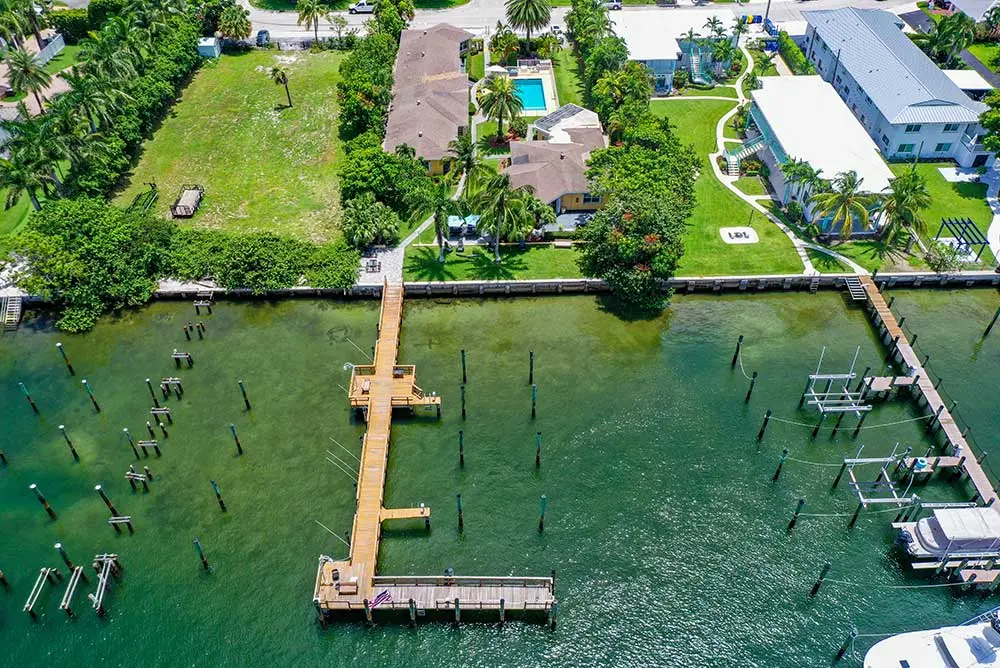

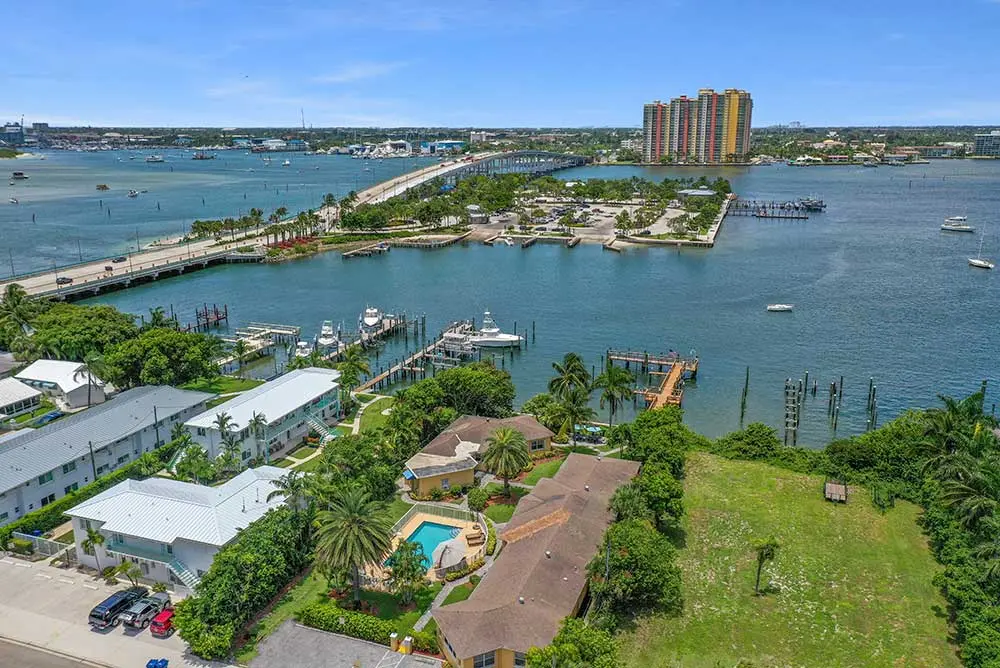
Ambrosia Treatment Center 3 photos
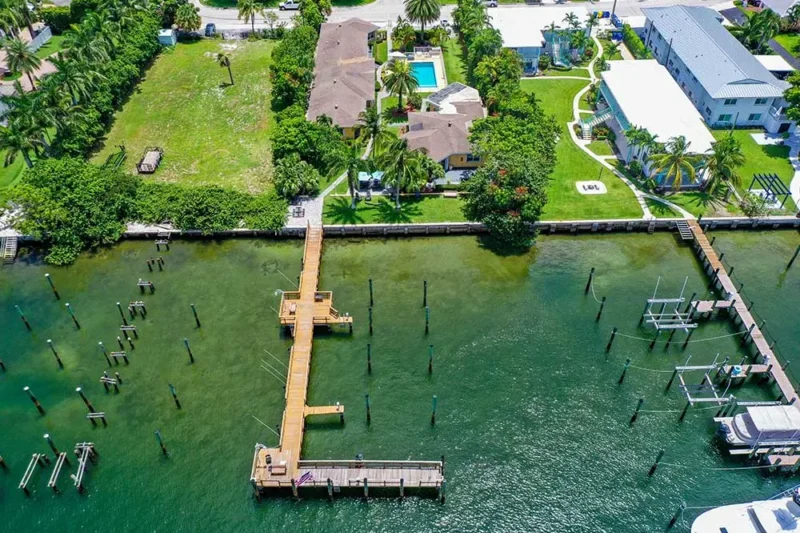

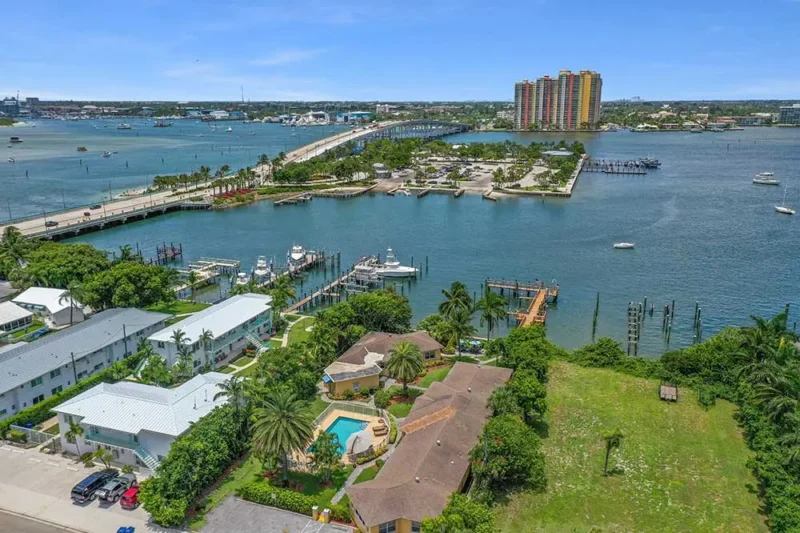
Ambrosia Treatment Center on Singer Island, Florida, provides adult treatment for substance-use disorders and co-occurring mental-health conditions. It is one of several distinct Ambrosia Behavioral Health facilities in South Florida.
Care at Singer Island
The provider lists residential care, partial hospitalization, outpatient treatment and medication-supported options at this location. Plans are individualized following assessment. Ambrosia identifies medical detox in West Palm Beach and its adolescent Academy in Port St. Lucie as separate facilities, so those services should not be attributed automatically to Singer Island.
What the Singer Island profile covers
The Singer Island location page describes adult treatment for substance-use disorders and co-occurring mental-health concerns. It presents residential care and connections with daytime or outpatient treatment, with the recommended setting determined through assessment. This profile concerns that adult addiction service, rather than every program operated under the wider Ambrosia brand.
Before making travel plans, establish the exact program and location being offered. A person needing withdrawal management, intensive mental-health care, or adolescent treatment may require a different receiving service. Ask how the proposed care addresses both substance use and any mental-health needs, which professionals will be involved, and whether additional assessment is required. The location’s setting and amenities can be considered alongside those clinical arrangements, but they do not determine the appropriate level of care.
Separate locations for detox and adolescent care
Ambrosia’s location directory distinguishes Singer Island adult addiction treatment from the Neuroscience Institute’s adult mental-health services in West Palm Beach. It also lists Midwest Detox in West Palm Beach and The Academy’s adolescent substance-use program in Port St. Lucie. The Academy is described for ages 13–17, with residential, PHP, and IOP options.
These distinctions are important when a family is comparing programs under the same brand. Do not assume that the adult Singer Island address is the place for a teenager’s assessment or a medically supervised withdrawal stay. Ask admissions to identify the receiving facility and explain any transfer between services. If more than one location is involved, clarify transport, records, medication continuity, and separate financial arrangements before accepting the proposed sequence of care.
Medical detox is a separate assessed step
The detox page identifies Midwest Detox at Ambrosia in West Palm Beach as the service providing medically supervised withdrawal care. It describes assessment, stabilization, monitoring, and preparation for the next stage of treatment. The provider gives a typical duration of three to ten days, with an individual recommendation based on the person’s circumstances.
That range is not a guaranteed timeline or a reason to attempt withdrawal independently before arrival. Discuss current substance use, prescribed medication, previous withdrawal experiences, and other health conditions with the assessing team. Ask where the person will stay and who will provide medical oversight. If residential or outpatient treatment is recommended afterward, confirm the transition plan and whether another assessment is required. The detox program’s location and clinical arrangements should not automatically be transferred to the Singer Island residential setting.
Residential treatment and its daily structure
Ambrosia’s residential program description includes living on site, individual and group work, support for co-occurring concerns, and a daily schedule balancing therapy with activities and time to process treatment. The page uses a general range of 30–90 days, while stating that the actual length is determined through evaluation.
Ask for the proposed plan at Singer Island rather than treating that range as a fixed package. Useful details include the frequency of private sessions, the role of groups, medication support, and how progress or discharge readiness is reviewed. Clarify the actual staffing and overnight medical arrangements, particularly if health needs are complex. The provider uses inpatient and residential terminology on the same page; the label alone does not establish a hospital ward or that every medical condition can be managed in that setting.
Partial hospitalization at the appropriate location
The PHP description identifies adult programs at Singer Island and West Palm Beach, while separating adolescent pathways in Port St. Lucie. PHP provides a structured treatment day with therapy and psychiatric support, without overnight clinical supervision. It may be considered as a step down or as an initial level of care after assessment.
The current page asks prospective clients to confirm the specific days, hours, and attendance requirements. Before comparing its cost with residential treatment, establish where the person will live, how transport will work, and what support is available outside sessions. Ask how medication appointments, family participation, and other clinical needs fit into the schedule. A day-treatment recommendation does not by itself include a room, continuous observation, or a guarantee that every client follows the same sequence of programs.
Intensive outpatient care and life between sessions
Ambrosia’s IOP page describes structured therapy while the person lives outside the treatment setting. It lists group and individual work, coping-skills practice, medication support where appropriate, and family involvement. Suitability considers both clinical needs and the person’s circumstances between appointments.
Ask admissions to identify the actual adult program and current timetable, rather than assuming that the network’s adolescent or mental-health IOP has the same schedule. Discuss work, school, transportation, and the support available at home or in another living arrangement. The published description does not specify a universal course length. A useful plan should explain how attendance and progress are reviewed, what follow-up is arranged, and what happens if the current level of support becomes insufficient. IOP does not provide overnight supervision simply because a residential service exists elsewhere in the network.
Continuing outpatient treatment after a stay
The outpatient treatment page describes ongoing individual and group work, recovery support, and help arranging the next stage of care. For clients returning to another area, Ambrosia discusses connections with therapists, programs, and sober-living options outside South Florida. This can be relevant when someone is deciding whether treatment away from home is practical.
Ask for the actual referral plan, including the receiving provider, appointment arrangements, and how records will be transferred with consent. A recommended sober-living home is a separate living arrangement whose staffing, rules, costs, and availability need review. It should not be treated as a continuation of the same residential clinical service. The practical aim is to know which appointments and supports will continue, rather than assuming that discharge automatically includes a fully arranged or prepaid course of outpatient care.
Medication treatment and prescribing responsibility
The medication-assisted treatment page discusses medication options for alcohol and opioid use disorders and identifies the West Palm Beach detox service within its delivery description. It presents medication alongside therapy and monitoring. The appropriate medicine and care arrangement depend on the individual’s clinical assessment.
Someone already receiving treatment should ask how prescriptions, monitoring, and the next scheduled appointment will continue during admission or transfer. Confirm which services occur at Singer Island, which involve another location, and who is responsible for prescribing after discharge. A network list of medications is not proof that every site dispenses every listed product. Nor should a general description of detox be interpreted as an instruction to stop an established medication. Changes and transfer arrangements need to be agreed with the treating professionals.
Family sessions and communication
The family therapy page identifies family programming at Singer Island and Port St. Lucie, with private sessions arranged through the therapist and visiting time associated with weekend programming. It discusses communication, boundaries, and the effects of substance use on relationships. The same page describes updates to a designated contact when the client has authorized information sharing.
Ask what the current program offers, who may participate, and whether remote involvement is possible for people who cannot travel. Establish the consent and communication arrangements rather than assuming every family member will receive clinical information. The purpose of family work should be clear and account for safety and individual circumstances. Supporting someone in treatment does not mean accepting blame, giving up appropriate boundaries, or being required to reconcile. Visiting arrangements and private therapy appointments may also have different scheduling rules.
Planning continuing care before discharge
Ambrosia’s aftercare page describes planning while the person is still in treatment. Options include continuing counseling, community support, outpatient care when needed, and connections with practical resources. The plan is intended to reflect the person’s circumstances after the initial treatment phase.
Ask which parts will be delivered by Ambrosia and which require another organization. Confirm the receiving appointments, the method of communication between providers, and any separate fees or eligibility requirements. References to housing, financial, vocational, or legal resources should not be read as guarantees of accommodation, funding, employment, or a legal outcome. A concrete continuing-care plan identifies who is responsible for each agreed next step and how the person can obtain help if the planned support is no longer sufficient.
Alumni activities and their limits
The alumni program describes a community support team with experience of Ambrosia treatment and monthly social gatherings. Examples include sports, barbecues, and other group activities. These events provide a way to maintain contact with peers and the wider recovery community after formal treatment.
Ask how to receive the current calendar and whether participation is practical from the place where the person will live. Listed past or typical activities are not a promise that a particular event will be available during a stay or immediately after discharge. Peer connection has a different role from scheduled clinical treatment. An alumni relationship should not be assumed to include unlimited therapy, medication management, or emergency response; any continuing professional care needs its own arrangements.
Veteran-specific treatment questions
Ambrosia’s veteran program page describes work addressing substance use alongside concerns such as trauma, depression, anxiety, and the transition to civilian life. It lists individual treatment planning, therapy, medication where appropriate, peer support, family education, and continuing-care planning.
A veteran considering Singer Island should ask which parts of that program are currently available there and how the team coordinates with existing clinicians. Discuss relevant health needs, current medication, and any required referral or authorization. A veteran-focused description does not establish eligibility for a particular benefit, automatic VA funding, or that everyone with military experience requires the same treatment. The proposed setting, clinical plan, and payment route should each be clear before arranging admission, particularly where more than one provider is involved.
First-responder programming and occupational concerns
The first-responder program describes support for police officers, firefighters, and emergency medical personnel, with a peer community and attention to occupational experiences. The page discusses several levels of care and says designated housing can be available when needed. Those arrangements should be confirmed for the particular referral and location.
Ask about the current group format, the clinician’s relevant experience, and how treatment relates to work-related requirements. Clarify confidentiality, consent for any employer communication, and what documentation the program can provide. Marketing references to discretion or help with employment concerns do not guarantee job protection or determine an employer’s decision. Likewise, a reference to housing does not establish inpatient clinical staffing. The person’s care needs and actual support arrangements should guide the choice of program.
The admissions conversation and next steps
The admissions page describes a conversation about current concerns, clinical needs, timing, location, and coverage. It states that calling does not commit a person to treatment and that the team can discuss a different option if Ambrosia is not appropriate. Admissions support is described as available around the clock.
Use that conversation to obtain the name of the proposed receiving service, the assessment requirements, and any preparation instructions. Bring questions about current treatment, medication continuity, transport, and the financial estimate. Round-the-clock admissions contact is different from immediate emergency care. The page directs people in immediate danger to emergency services and identifies 988 for mental-health crisis support. A scheduled or pending admission should not be used as a substitute for urgent assessment when someone cannot remain safe.
Insurance verification for the specific program
The insurance page explicitly says network participation varies by plan, service, and location. It describes checking network status, authorization rules, and likely cost sharing, then explaining what has been confirmed and what remains an estimate. The page identifies Singer Island participation with TRICARE, but an individual benefit still requires verification.
Ask for the financial explanation for the actual recommended level of care, including deductibles, coinsurance, exclusions, and what changes during a transition to another service. Insurance logos or a network statement do not establish that every policy covers the proposed care. Ambrosia states that benefit verification is free and does not commit the caller to treatment, while also noting that verification is not a guarantee of insurer payment. Obtain the expected personal costs before agreeing to admission.
Admissions and payment
Admissions is available at 888-492-1633. Ambrosia says it is in network with many insurers, but plan, service and location determine coverage. Benefits, program duration and any self-pay amount should be confirmed before admission; no universal weekly price is published.
Official sources: Ambrosia Treatment Center, Ambrosia locations, program-to-campus distinctions and regional detox and residential distinction. Official sources checked October 13, 2026.