Considering rehabilitation in Bali involves two connected decisions: whether the proposed clinical service fits the person's needs, and whether an international stay is practical. Bali is an Indonesian island, and a private villa, a wellness retreat, and a licensed clinical service should not be treated as interchangeable. Compare the actual professionals, assessments, treatment hours, medical arrangements, accommodation, and continuing care before comparing photographs or package descriptions.
The current directory includes The Lighthouse Bali, Thera Bespoke, and Istana Private. Their published descriptions emphasize individualized arrangements, but their locations, clinical schedules, and offers differ. These examples can help frame an inquiry; inclusion does not independently verify a provider's current registration, staffing, availability, or outcomes. Request the details of the individual offer rather than assuming an island-wide standard of care.
The Lighthouse Bali: separate the components of the offer
The Lighthouse's individual program page describes a 28-day package with a private villa in Sanur, assessment before arrival, a physician visit in Bali, and recovery coaches or support staff available around the clock. It separately lists professional counseling, peer counseling, life coaching, and wellness activities. These are different kinds of contact, and continuous support-staff availability should not be read as a promise of continuous on-site physician care.
Ask which program version is being proposed and obtain its current weekly schedule. Clarify the assigned counselor, clinical qualifications, physician arrangements, and the response if medical needs change. The provider's published package identifies three hours of professional counseling weekly alongside other activities; confirm the actual offer rather than adding every listed contact hour together and calling it psychotherapy. A named 28-day product also does not determine how long an individual should receive care.
Thera Bespoke: confirm what individualized therapy includes
Thera Bespoke's experience page describes private villas and an individualized program in which a guest may select up to 15 hours of one-to-one therapy each week. Its treatment page discusses mental health and addiction concerns and uses the provider's Zero Protocol name. Those are provider-published descriptions. A branded method or an upper limit on therapy hours does not establish the plan recommended for a particular person.
Ask how the assessment leads to the proposed methods, how the weekly hours are divided, and which professional delivers each part. Clarify whether psychiatric consultation, medication review, and any medical support are included or arranged separately. Ask what evidence supports the specific interventions being recommended and how progress will be reviewed. Practical detail is more useful than assuming that a bespoke label automatically means every possible treatment is available.
Istana: resolve the destination before arranging a stay
Istana requires an additional location check. Its locations page displays Bali alongside Barbados and Ibiza, while its current homepage uses the broader description South East Asia. The homepage describes a one-client-at-a-time model. These statements do not establish the exact country, property, operating entity, or clinical team for a new inquiry labeled Bali in a directory.
Ask Istana to identify the receiving country and address in writing before making flight, visa, insurance, or treatment-payment arrangements. Clarify which organization provides the clinical services and which supplies accommodation. If a different destination is proposed, reassess the practical and clinical arrangements for that destination. Keeping the existing directory listing does not justify assuming that a previously described location remains the current place of treatment.
Assessment should come before the flight booking
Ask the proposed provider what information it needs to assess suitability before arrival. Discuss current treatment, prescriptions, recent substance use, relevant medical conditions, and any support needed during travel. Coordinate with an existing clinician where appropriate and arrange a clear handover of records with consent. Acceptance should identify the service and receiving team; a general admissions conversation or a villa reservation does not complete a clinical assessment.
If detoxification or another medically supervised service is proposed, ask where it occurs, who assesses and monitors the person, and how care is escalated when needs exceed the setting's capabilities. A coach, therapist, nurse, physician, and hospital perform different roles. This guide cannot determine whether someone should travel, which withdrawal treatment is appropriate, or how long it will take. Those questions require assessment by the professionals responsible for care.
Check professional roles and the operating organization
Request the legal name and contact details of the organization accepting responsibility for treatment, along with the registration information relevant to the actual services and location. Ask how the credentials of the assigned clinicians can be checked and which country or professional body issued them. A biography, an overseas qualification, and the registration of a local service provide different pieces of information and should be understood separately.
Identify who makes clinical decisions, who can prescribe, who keeps records, and who handles concerns about care. Ask whether staff are employed by the program or engaged separately and how continuity is handled if the usual clinician is absent. The reviewed commercial pages do not support a blanket statement that all Bali providers meet the same international standard, maintain equivalent medical staffing, or provide every advertised service within the accommodation itself.
Travel documents and medicines need individual checking
Use Indonesia's official immigration website to check the appropriate entry route and current requirements for the purpose and duration of the proposed stay. The system distinguishes visa options and application requirements. A provider may help with practical arrangements, but an admissions representative's reassurance is not a substitute for checking the conditions that apply to the traveler's nationality and planned activities.
The UK government's Indonesia health advice notes that medicine rules can differ between countries and directs travelers to guidance on carrying medication. Discuss prescriptions with the treating clinician and check the applicable official entry requirements before departure. Ask what documentation is needed, how medication will be continued during the stay, and who will manage prescriptions afterward. Do not assume a medicine can be carried or supplied simply because it was prescribed at home.
Plan for healthcare beyond the accommodation
The same official travel-health advice cautions that psychological and psychiatric services in Indonesia are limited and that medical care and evacuation can be expensive. It recommends adequate travel-health coverage and access to funds. This is country-level travel guidance, not an assessment of a particular Bali provider. It makes the receiving program's medical arrangements and the traveler's insurance especially important questions to resolve.
Ask which hospital or other service would receive the person if additional care became necessary, who arranges transport, and how costs are handled. Explain planned treatment and existing conditions to the insurer and request a clear answer about what is covered. Treatment fees, ordinary travel insurance, emergency healthcare, and repatriation may involve different agreements. A statement that a package includes medical support does not settle each of those responsibilities.
Compare the whole cost of an international stay
Request a dated, written quote for the actual program and accommodation, including the currency of payment. Ask whether professional sessions, medical appointments, medication, tests, meals, local transport, and optional activities are included. Identify deposits, cancellation terms, the cost of extending the stay, and what happens if the receiving team recommends a different service. The reviewed information does not support a universal Bali weekly fee or a claim that every Bali program is cheaper than care elsewhere.
Include travel and follow-up when comparing options. Flights, a companion's accommodation, changes to tickets, time away from work, and continued care after returning home can affect the practical budget. An attractive package price is only useful when its scope is clear. If several organizations provide different parts of the arrangement, ask which contract applies to each and who will answer a billing question or resolve a disagreement.
Private accommodation and privacy are separate questions
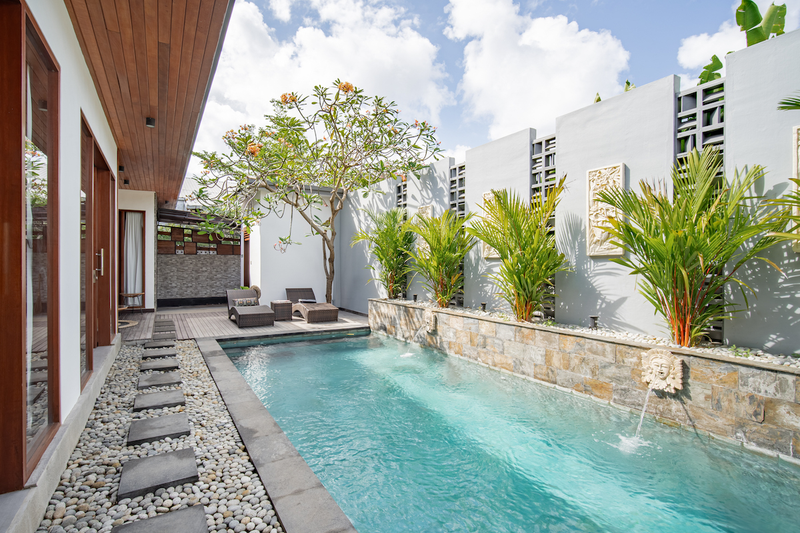
Ask about the actual villa or property offered, including stairs, bathroom access, distance between treatment and accommodation, meals, laundry, and the staff who will enter the property. Photographs may illustrate a type of accommodation without reserving that exact building or room. If accessibility, dietary requirements, or a particular level of personal assistance matters, obtain a location-specific answer before paying a deposit.
Discuss privacy in practical terms as well. Ask who receives clinical records, how family updates are authorized, and how outside professionals are involved with consent. A secluded setting does not establish absolute confidentiality in every circumstance. If work communication is important, clarify device access, internet availability, and whether professional obligations would interfere with the treatment schedule. Agree on an arrangement that is realistic for the proposed care.
Activities should fit the clinical plan
The provider pages describe a range of wellness, cultural, exercise, and leisure activities. Ask which are part of the agreed program, which are optional, and who determines whether they are suitable. Distinguish an enjoyable activity from a clinical intervention and ask how any claimed therapeutic benefit relates to the person's goals. There is no basis here for saying that Bali's scenery, climate, or hospitality speeds recovery for everyone.
Consider how the proposed day balances professional appointments, personal work, rest, and recreation. If outings are planned, clarify supervision, transport, accessibility, weather alternatives, and any extra cost. Someone who prefers a quieter schedule or does not want a particular spiritual or cultural activity should discuss that openly. A tailored program should explain how preferences and clinical needs influence what is actually included.
Arrange continuing care before returning home
The Lighthouse's published individual package includes six months of aftercare, but the practical scope still needs clarification. Ask about the professional involved, appointment frequency, communication method, eligibility across countries, and any limits or additional fees. For all three listed providers, request a plan that identifies who will take responsibility for ongoing therapy, medication, and other needs once the overseas stay ends.
Account for time zones, language preferences, and access to local care near home. Arrange records transfer and receiving appointments with consent before departure where possible. If the intended next service is unavailable, ask the treating team how the transition will be handled. A carefully coordinated return is part of comparing Bali options, alongside the accommodation and treatment offered during the stay.
Sources and review date
Official provider, Indonesian immigration, and UK government travel-health pages reviewed October 22, 2026. Provider descriptions are attributed and do not constitute independent verification of local registration, clinical quality, availability, or outcomes. Confirm the destination, receiving organization, individual care plan, and travel requirements directly.
Back to guide contents↑